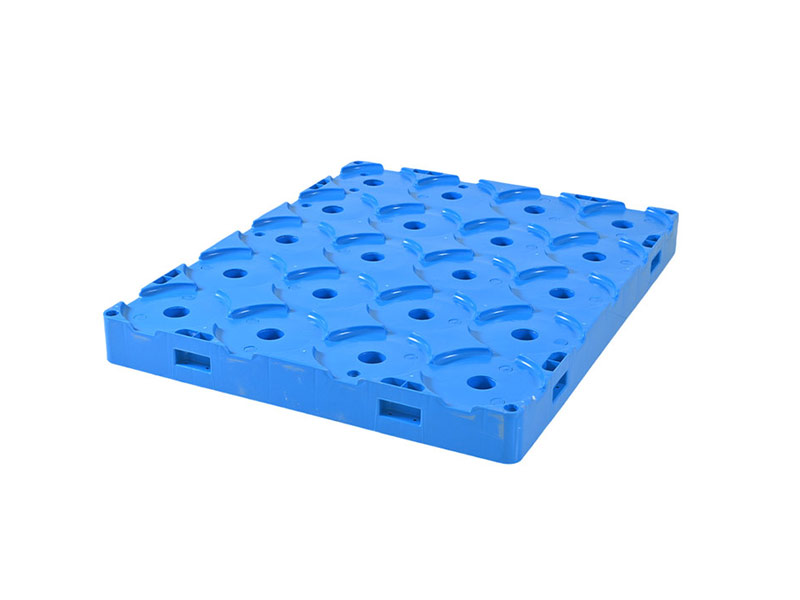
Plastic Pallets for Food, Beverage & Produce Handling
Compare plastic pallets for food processing, beverage distribution and fresh-produce handling, with options reviewed around load, cleaning, airflow, temperature and handling requirements.
Choose the Right Products for Food, Beverage & Produce Handling
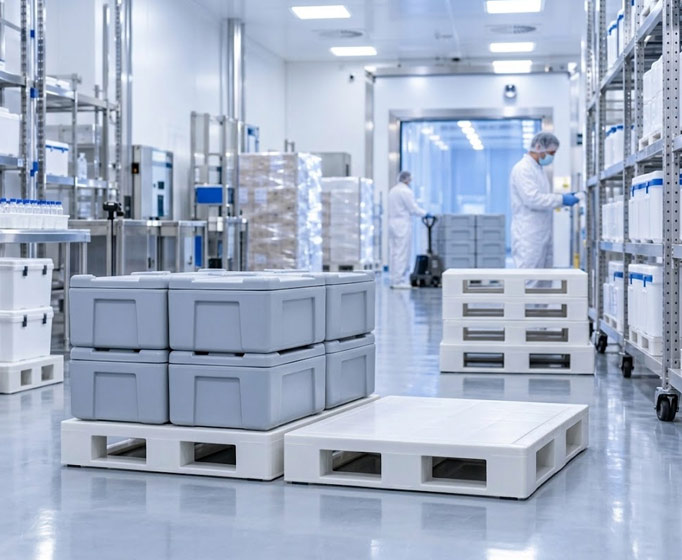
Evaluate Flat-Deck Pallets for Hygiene & Cleaning
Start with the facility cleaning protocol and actual unit load, then compare flat-welded pallet candidates for meat, pharmaceutical and cleanroom processing.
- BEST SUITED FOR
- Meat, pharmaceutical and cleanroom workflows that need flat-deck pallet candidates for controlled cleaning routines.
- WHAT TO PRIORITIZE
- Cleaning method, drainage, soil-trap risk, temperature, load distribution and processing interfaces.
- RECOMMENDED STRUCTURES
- 1210-A, 1208 and 1212 flat-welded catalog configurations, with rim option where listed.
- CONFIRM BEFORE ORDERING
- Material, cleaning chemistry, contact controls, load conditions and representative sanitation trials.
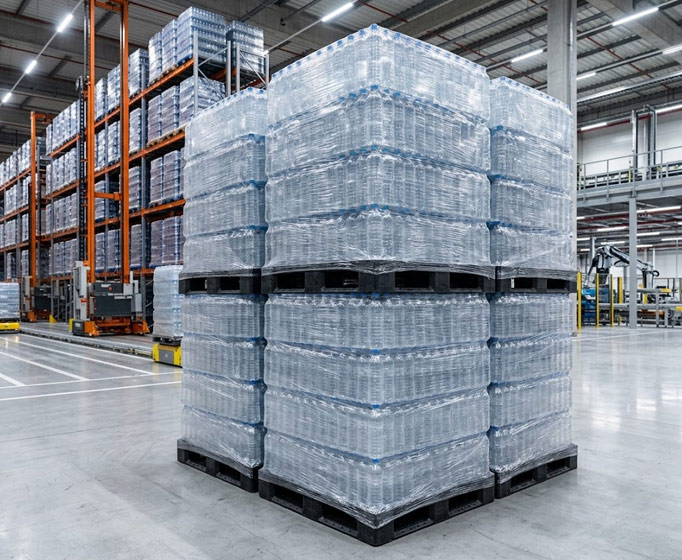
Match Beverage & Water Pallets to the Unit Load
Match the dedicated bottled-water pallet to container geometry, layer pattern, gross weight and the complete distribution cycle.
- BEST SUITED FOR
- Bottled-water and beverage distribution using a dedicated pallet configuration.
- WHAT TO PRIORITIZE
- Container dimensions, layer pattern, gross weight, stacking method, handling interfaces and return workflow.
- RECOMMENDED STRUCTURES
- The dedicated Bottled Water Pallet catalog configuration.
- CONFIRM BEFORE ORDERING
- Exact unit-load fit, supported load, equipment interfaces, stacking method and representative handling trial.
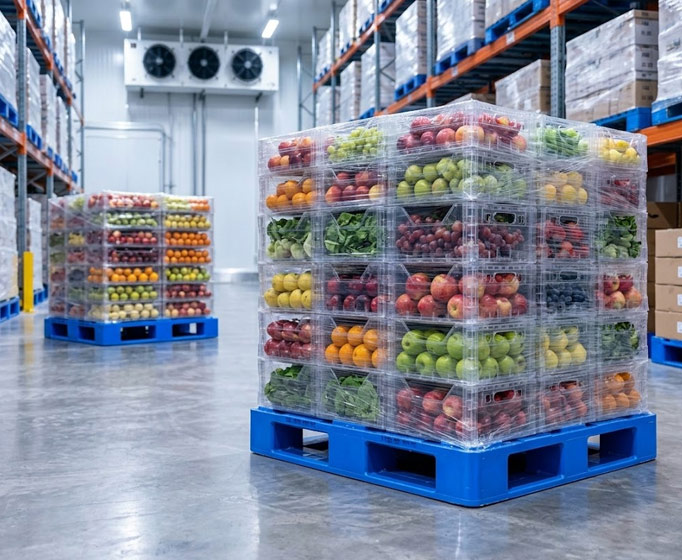
Match Produce Handling Products to Operating Conditions
Match pallets and reusable handling products to produce loads, airflow, drainage, stacking and the intended storage and distribution cycle.
- BEST SUITED FOR
- Packhouse transfer and fresh-produce movement through chilled or cold-chain operations.
- WHAT TO PRIORITIZE
- Produce protection, airflow, drainage, unit-load dimensions, temperature transitions and handling frequency.
- RECOMMENDED STRUCTURES
- 1210-A and 1208 six-runner pallet configurations.
- CONFIRM BEFORE ORDERING
- Load dimensions, support method, cleaning process, temperature cycle and representative fresh-produce trial.
Plastic Pallets for Food, Beverage & Produce Handling
Compare plastic pallets for food processing, beverage distribution and fresh-produce handling, with options reviewed around load, cleaning, airflow, temperature and handling requirements.
Recommended Food, Beverage & Produce Pallets
Start with selected models for food processing, bottled water and beverage distribution, and fruit and fresh-produce handling.
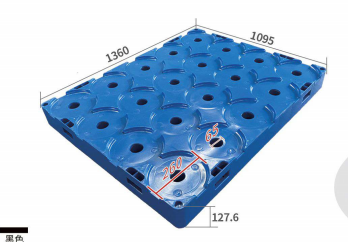
Bottled Water Pallet
136x109.5x127cm
370/40HQ
View Model & Inquire
Compare All Food, Beverage & Produce Pallet Models
Review dimensions, static, dynamic and rack load ratings, pallet structures, fork entry, steel reinforcement and recommended applications to identify suitable models for your operation.
| Select | Product Series | Model | Dimensions (L × W × H, cm) | Static Load | Dynamic Load | Reference 40HQ Qty |
|---|---|---|---|---|---|---|
| Bottled Water Pallet Series | Bottled Water Layer Board-4 Barrel | 46.8x46.8x10.6 | — | — | 10080/40HQ | |
| Bottled Water Pallet Series | Bottled Water Layer Board-6 Barrel | 70.2x46.8x10.6 | — | — | 7500/40HQ | |
| Bottled Water Pallet Series | Bottled Water Pallet | 136x109.5x127 | 3t | 1.5t | 370/40HQ |
Why Food, Beverage & Produce Buyers Choose Brilliant Pallet
Brilliant Pallet combines application-matched pallet selection, sanitation-focused design review and specification control to support food processing, beverage distribution and fresh-produce logistics.
Workflow-Matched Selection
Brilliant helps buyers compare flat-deck, bottled-water and ventilated pallet configurations against the actual product, unit load, handling method and operating workflow.
Sanitation & Product Protection
Surface design, drainage, cleaning access, ventilation and container-contact geometry are reviewed against the facility’s sanitation and product-handling requirements.
Load & Equipment Fit
Pallet dimensions, load distribution, support geometry, fork entry and equipment contact points are compared across the complete unit load.
Reliable Repeat Supply
Confirmed series, model, size, material, configuration, quantity and delivery requirements provide a clear specification basis for repeat orders.
Brilliant Pallet Capability Overview
From manufacturing scale and tooling resources to certified systems and international supply experience, Brilliant Pallet provides the operational foundation for bulk orders, custom projects, and repeat supply.
Manufacturing Scale
Integrated production and storage resources support planned production, volume orders, and repeat purchasing.
70,182 m²Integrated factory and storage base
7.1M+Planned annual pallet capacity
Product & Tooling Resources
An extensive product and mold base gives buyers more standard formats to compare and a stronger foundation for project-specific requirements.
200+Product specifications
700+Mold sets
Certified Systems & Engineering
Certified management systems and accumulated product development experience support controlled manufacturing and ongoing product improvement.
ISO9001 / 14001 / 45001 certified systems
50+Product patents
Global Supply Experience
Long-term manufacturing and international project experience support specification confirmation, order coordination, and repeat overseas supply.
100+Exporting countries
25+Years manufacturing experience
OEM/ODM Custom Plastic Pallet Options
Customization options include color, logo marking, material selection, anti-slip components, runner configurations and reinforcement solutions, subject to pallet model, order quantity and production feasibility.
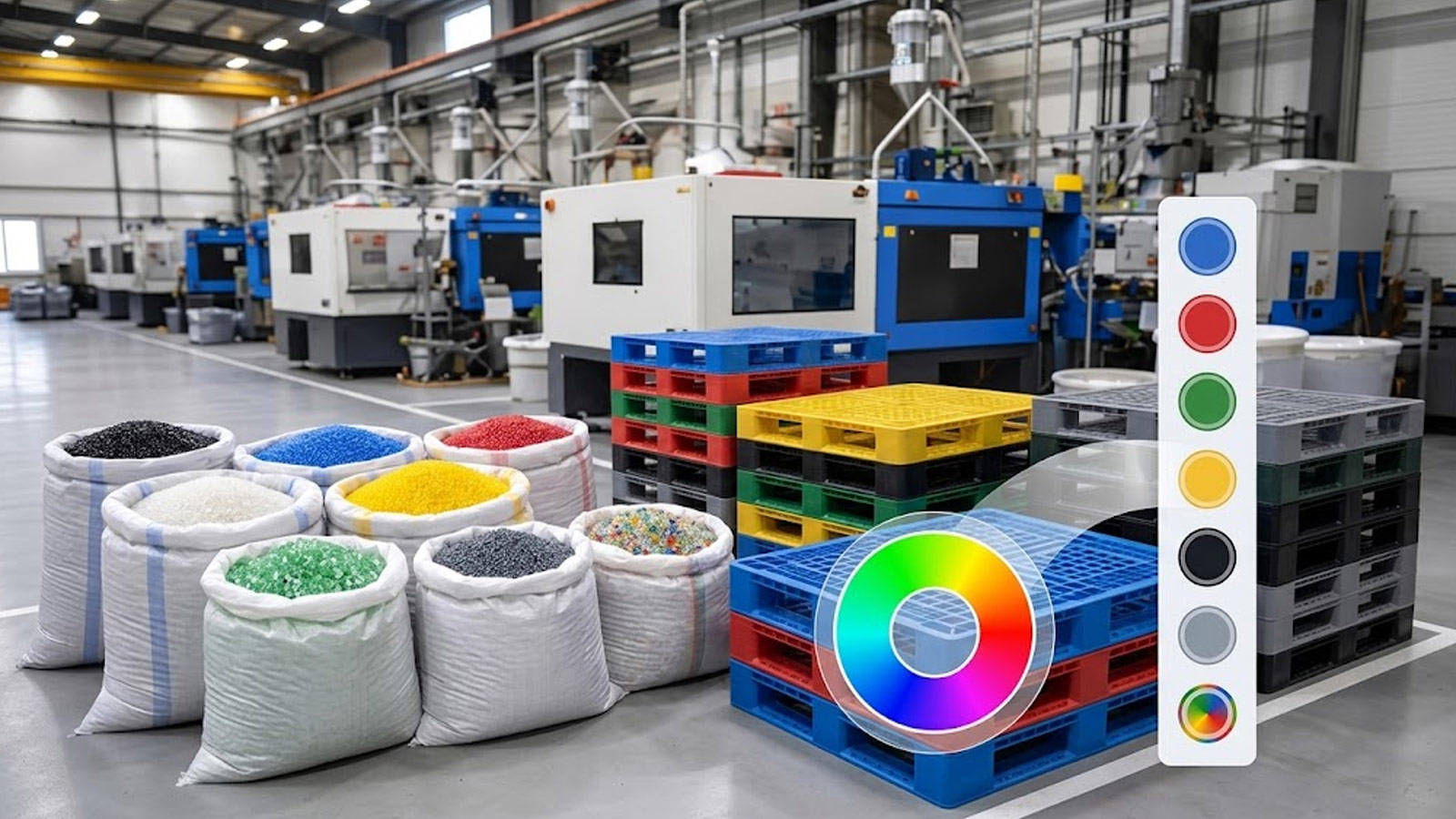
Color Customization
Color requirements can be reviewed according to the selected pallet model, material and order quantity.
- Standard or project-specific color review
- MOQ and lead time confirmed before quotation
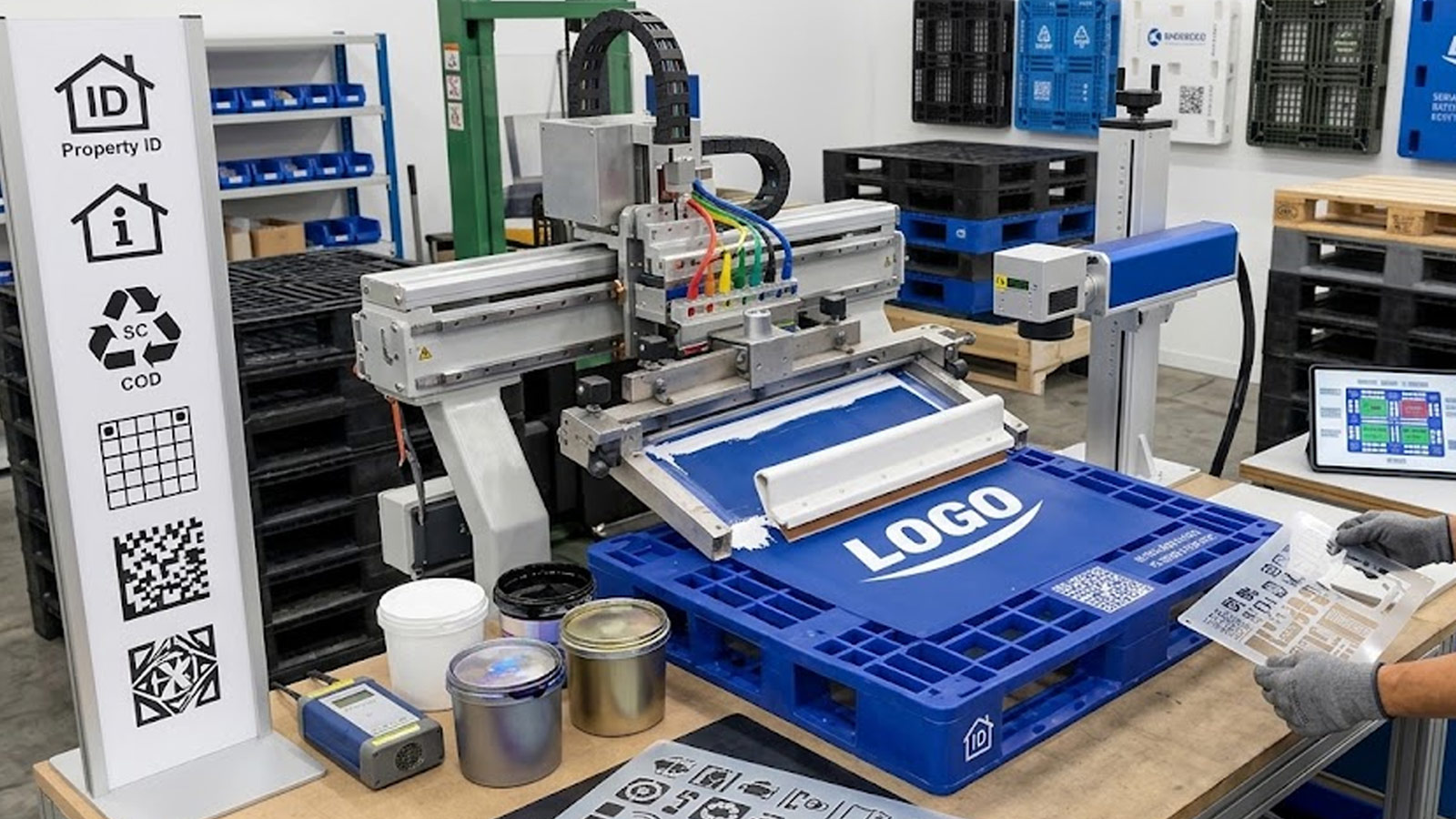
Branding & Identification
Marking options can be reviewed against the available area, artwork, pallet structure and order quantity.
- Logo, numbering or identification review
- Method, setup and cost confirmed by project
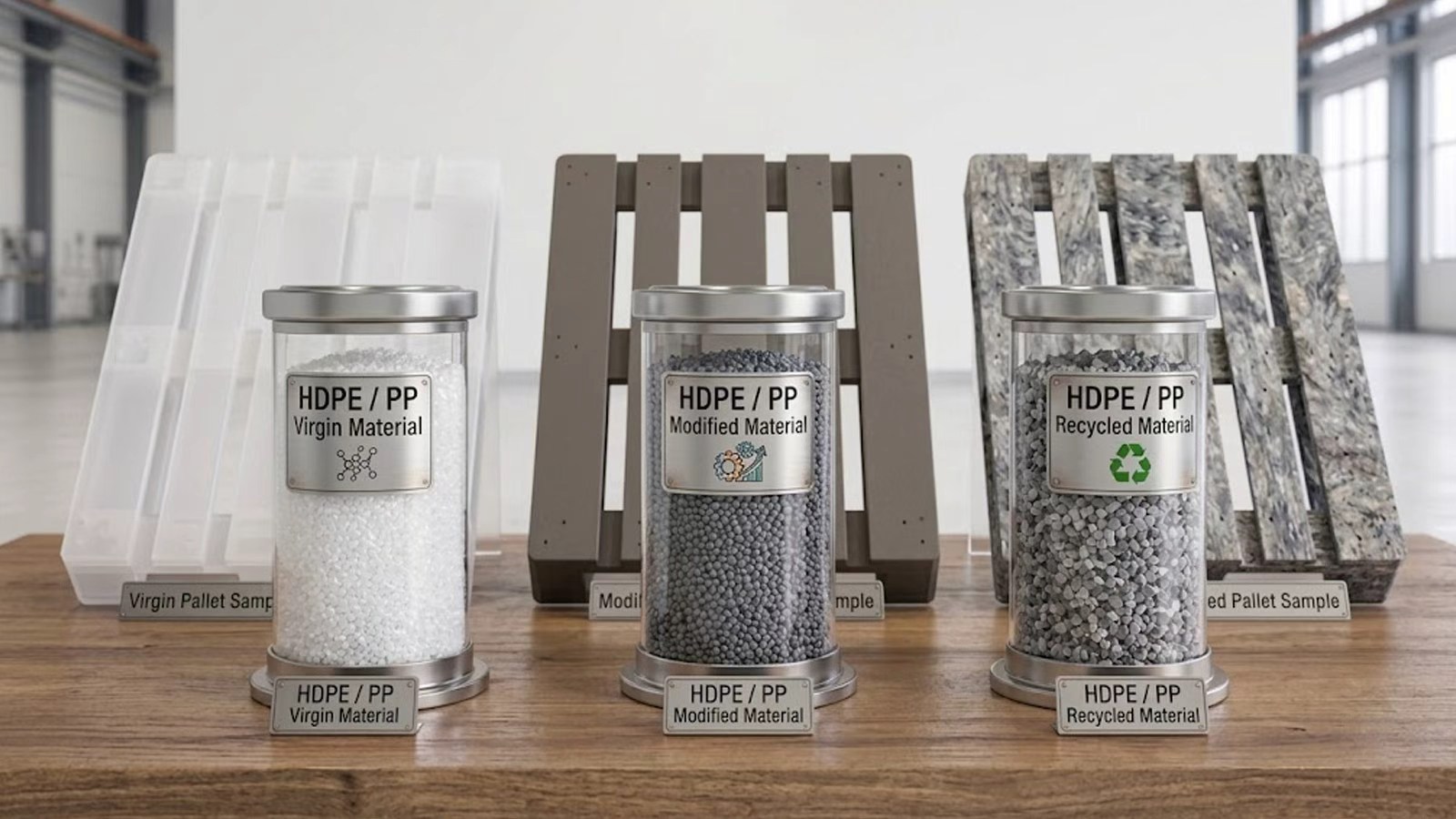
Material Selection
Choose from confirmed HDPE and PP material options according to your application, performance requirements and selected pallet model.
- HDPE / PP Virgin Material
- HDPE / PP Modified Material
- HDPE / PP Recycled Material
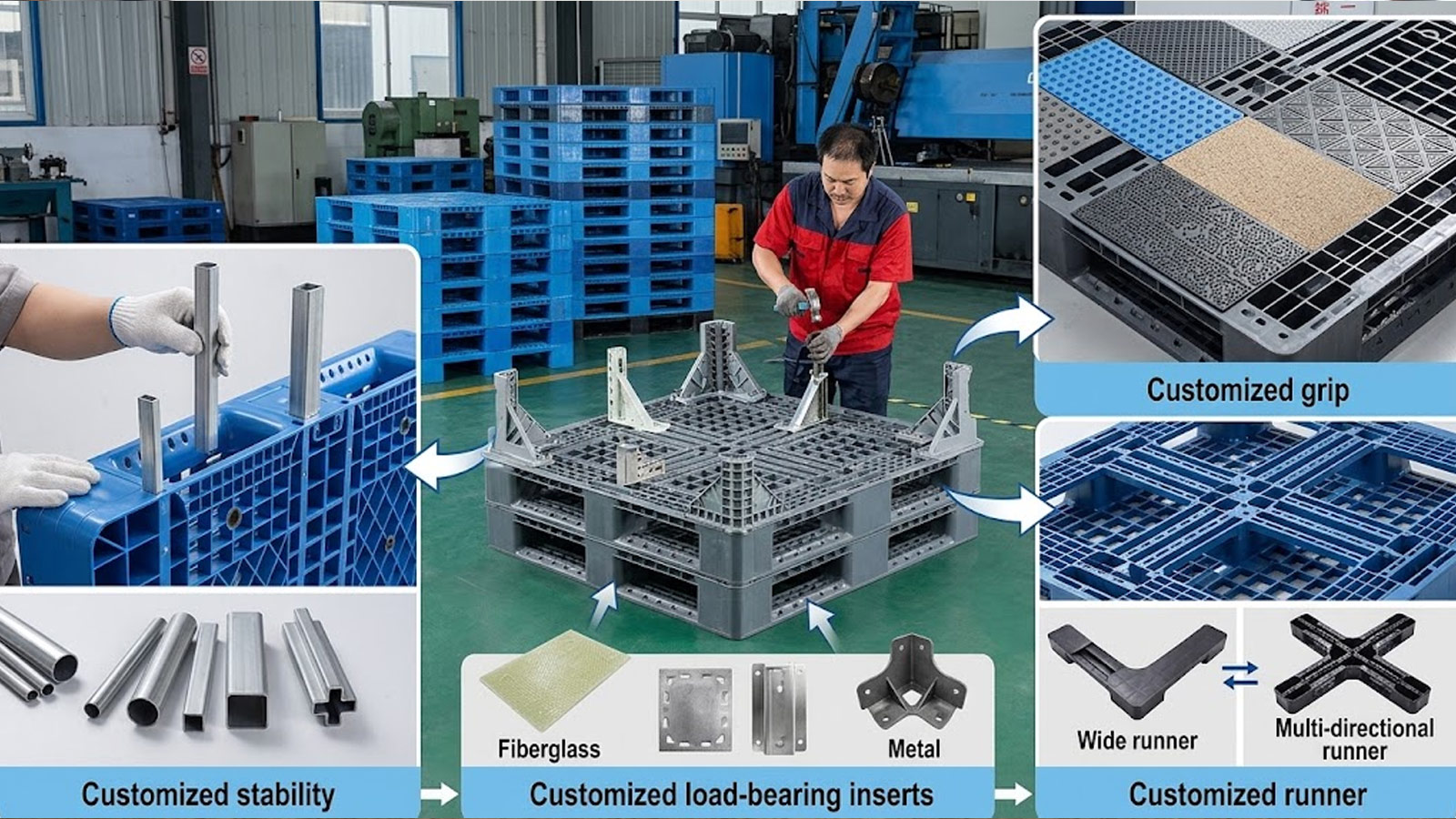
Stability & Load Enhancements
Anti-slip, runner and reinforcement options can be reviewed individually or combined around your load, storage and handling requirements.
- Anti-slip options for improved load stability
- Runner configurations matched to handling needs
- Reinforcement solutions reviewed for compatible models
-
01
Requirement
Review -
02
Model & Feasibility
Assessment -
03
Design & Tooling
Confirmation -
04
Sample Approval
When Required -
05
Production, QC &
Shipment
Reliable Manufacturing at Scale
Advanced equipment, controlled production, documented certifications, warehouse handling and customer-facing activity provide a clearer view of manufacturing capability and supply support.
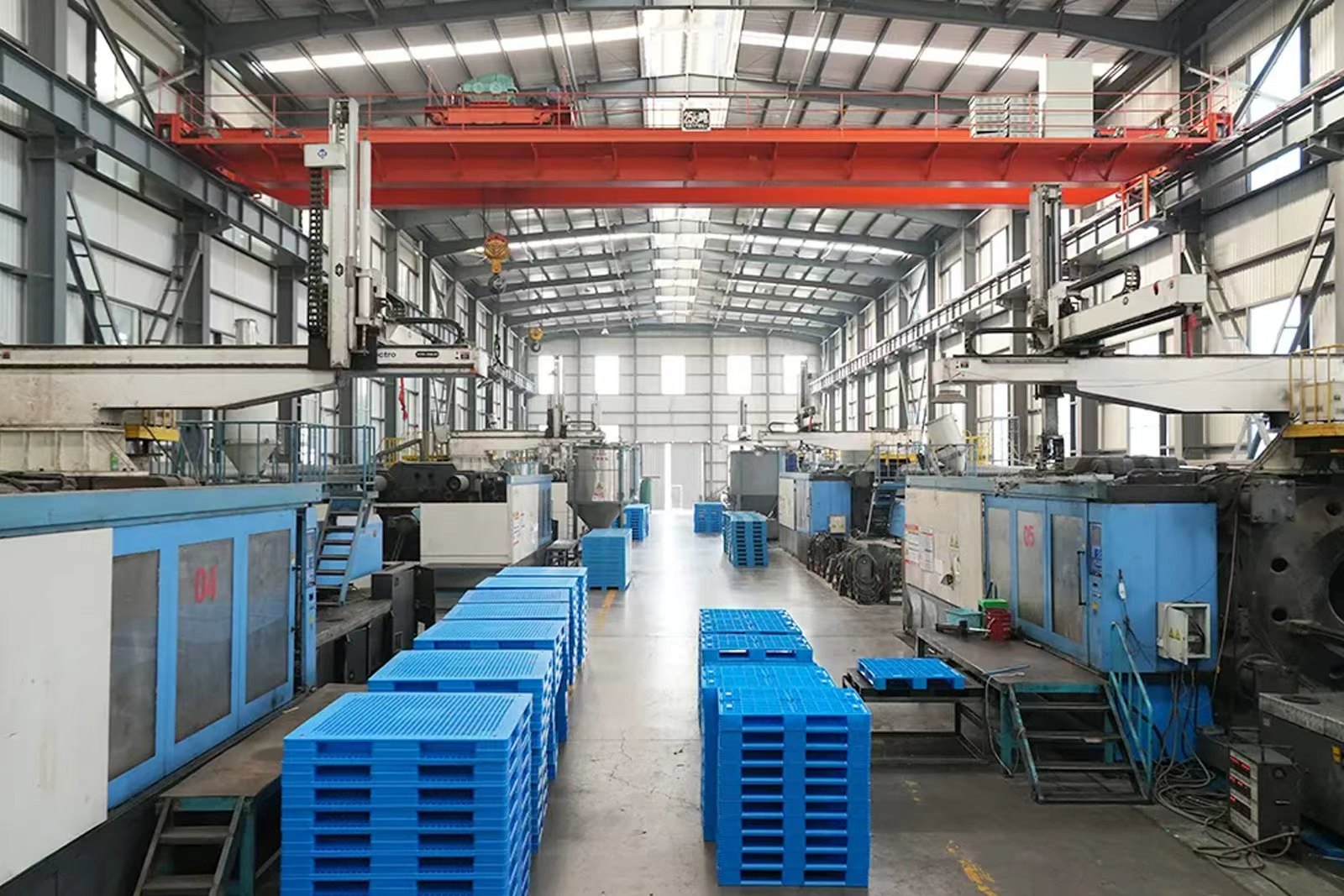
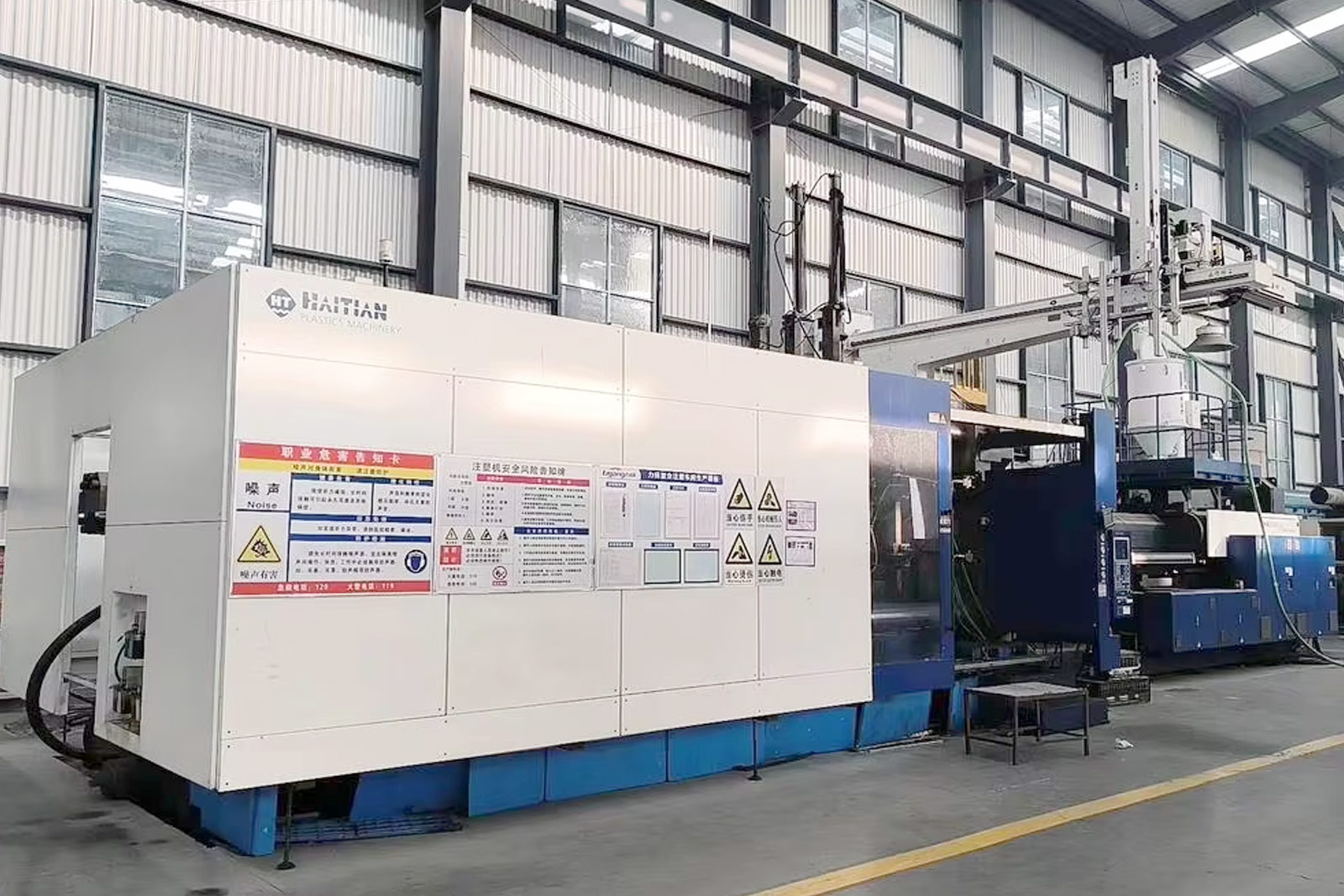
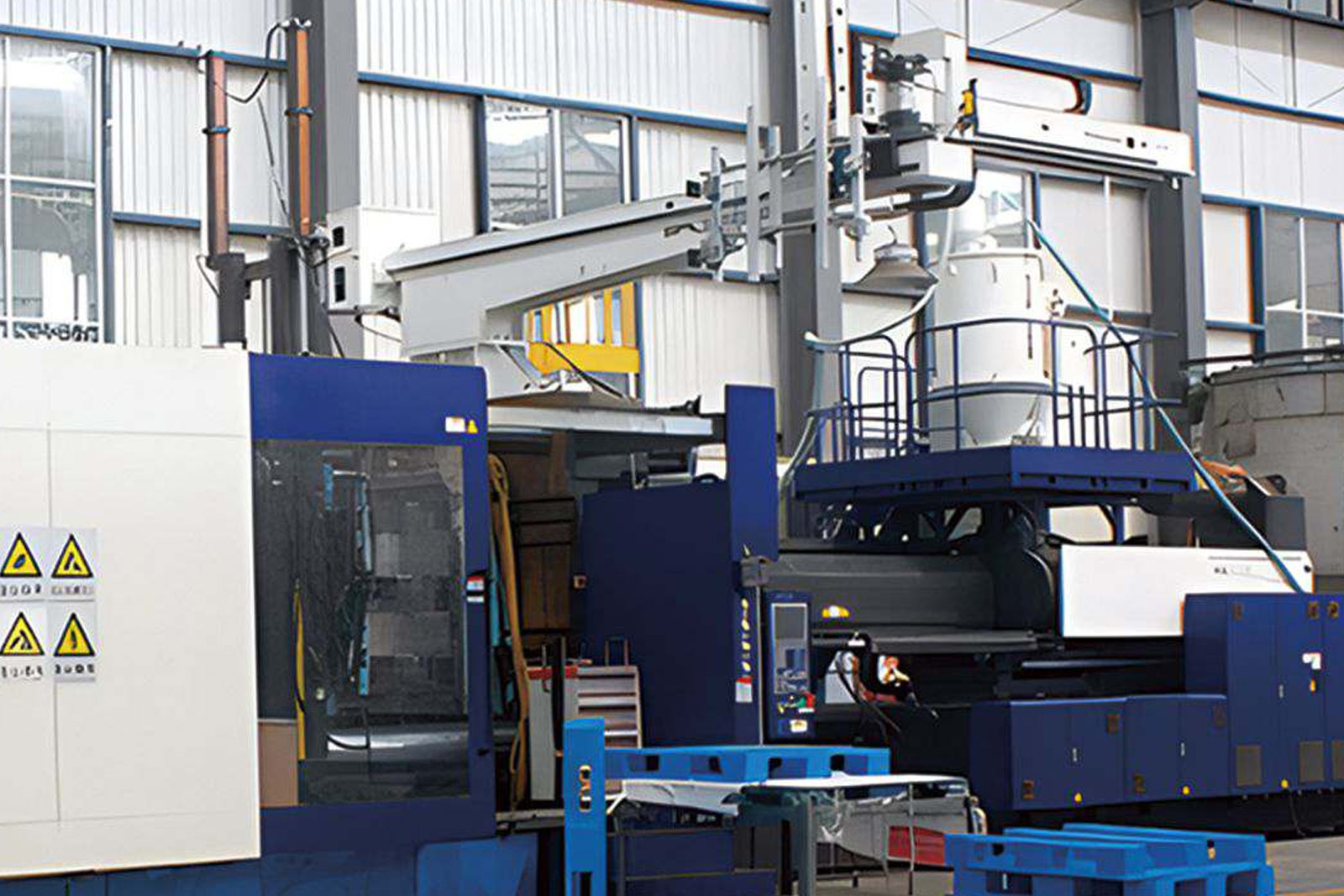
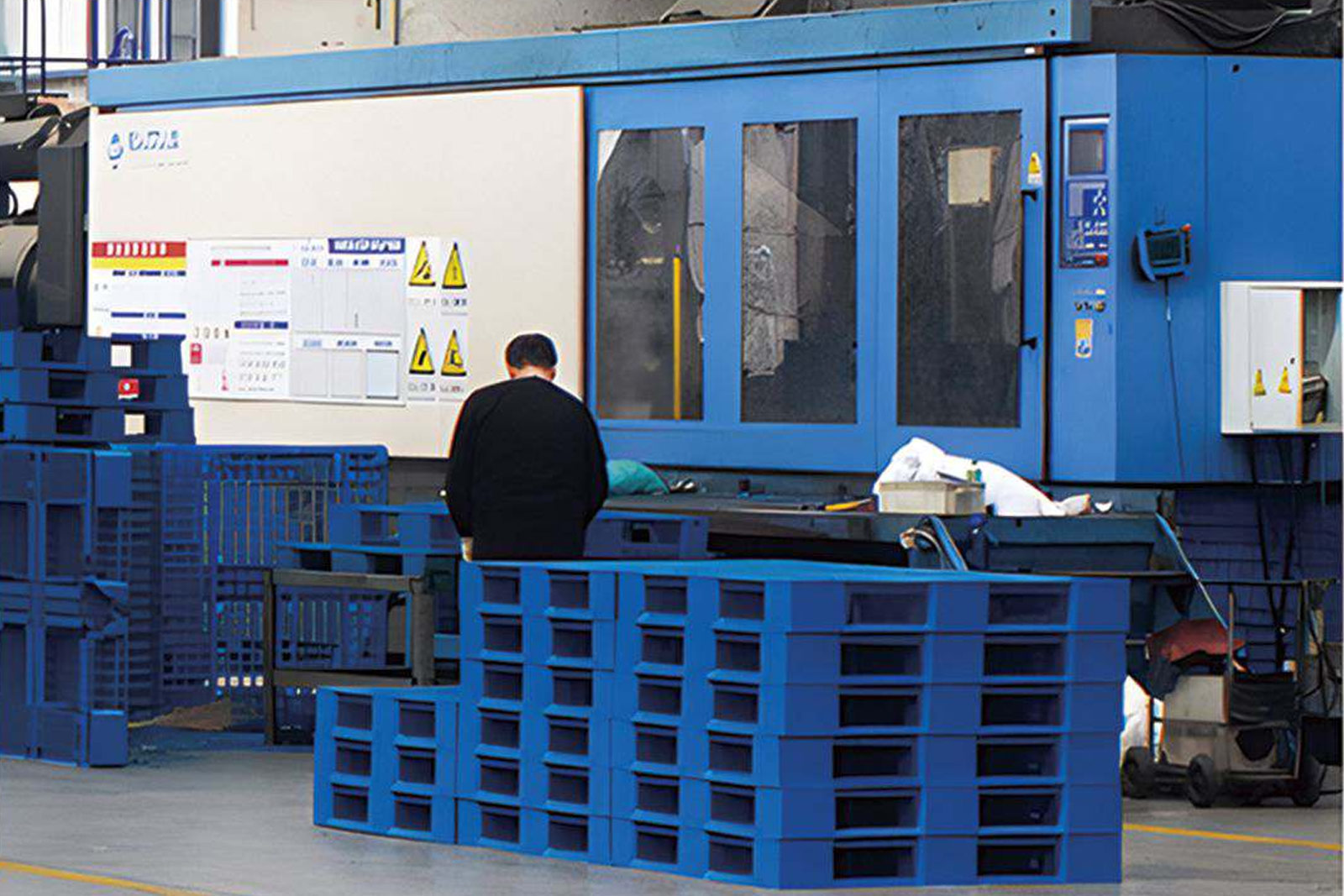
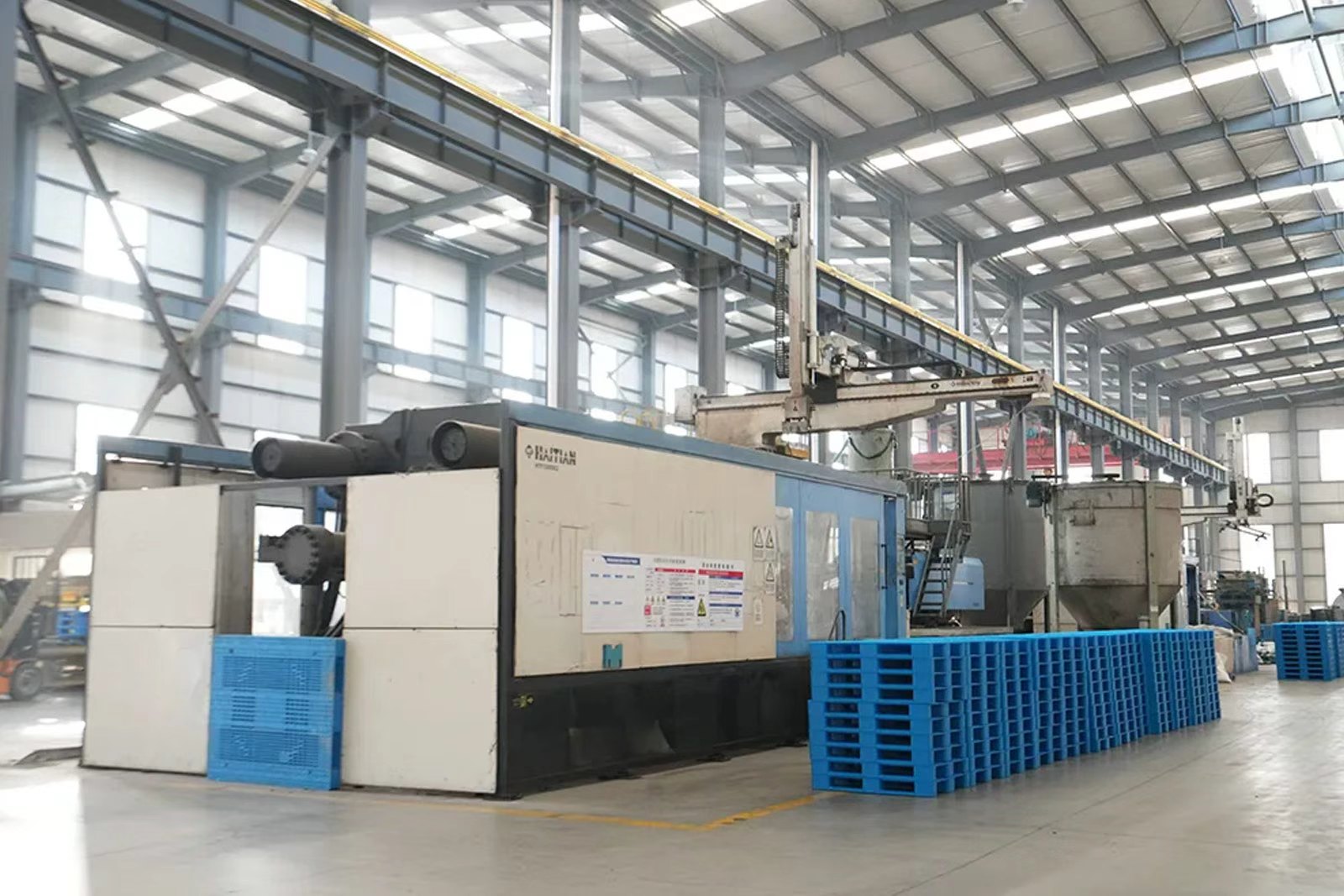
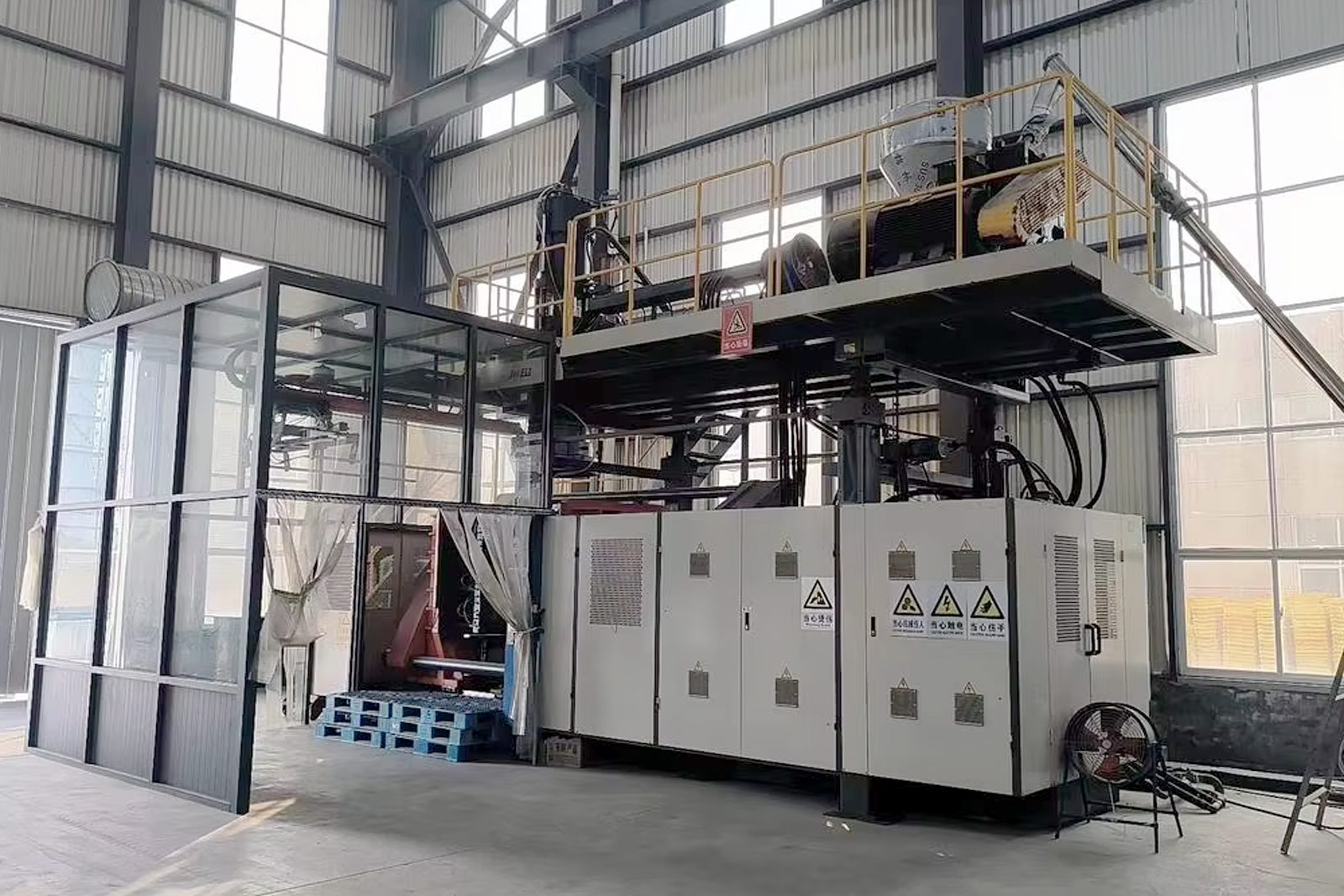
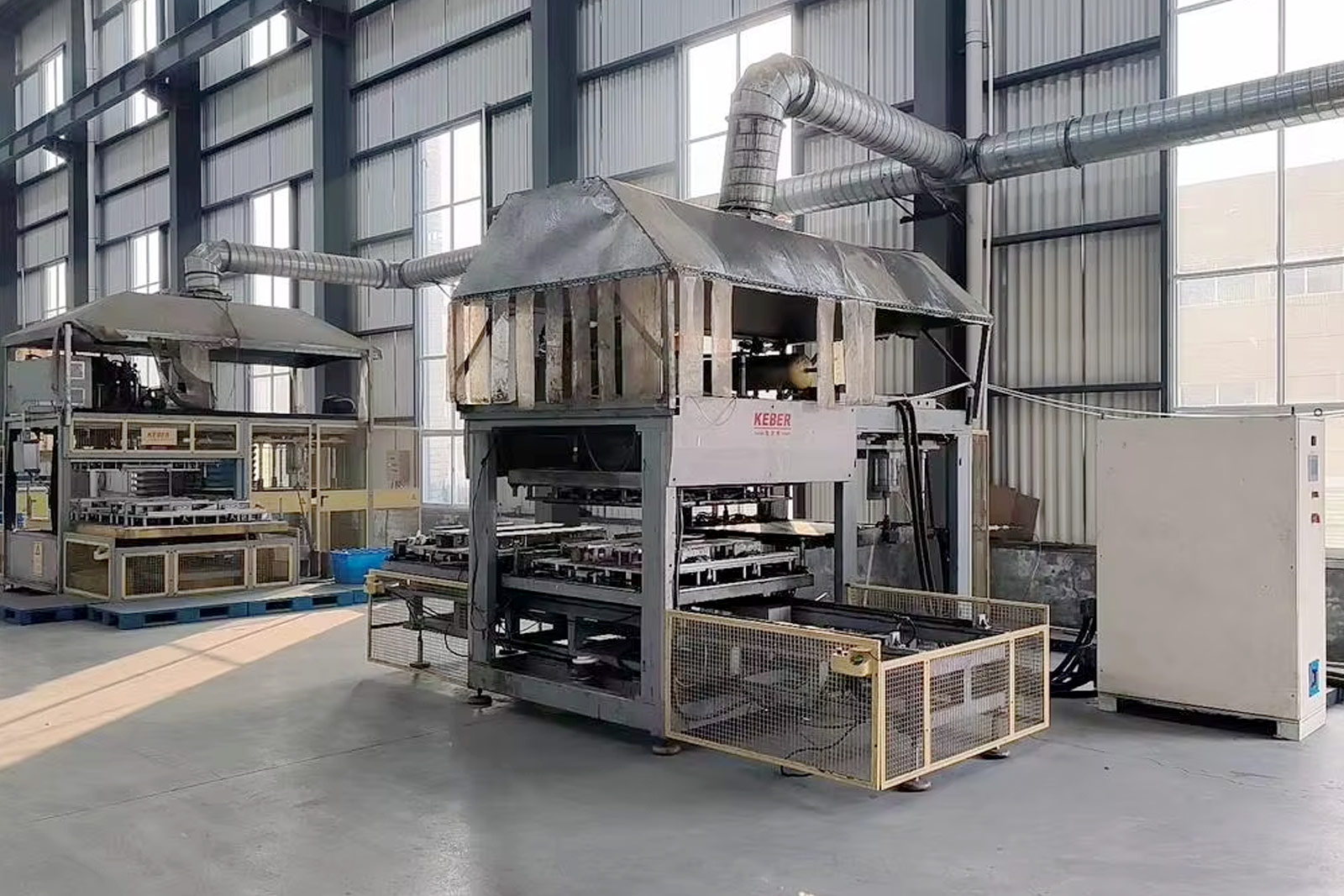
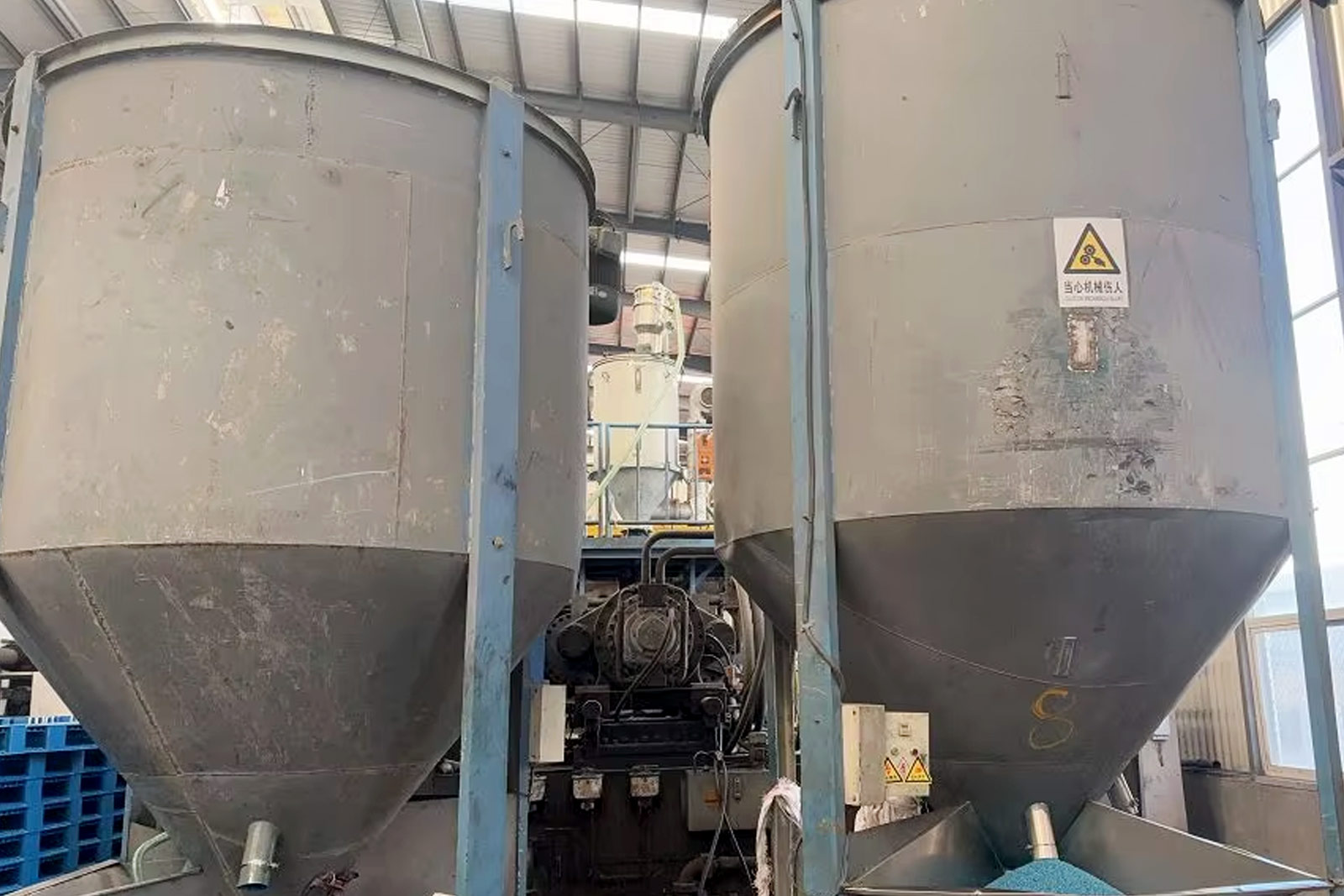
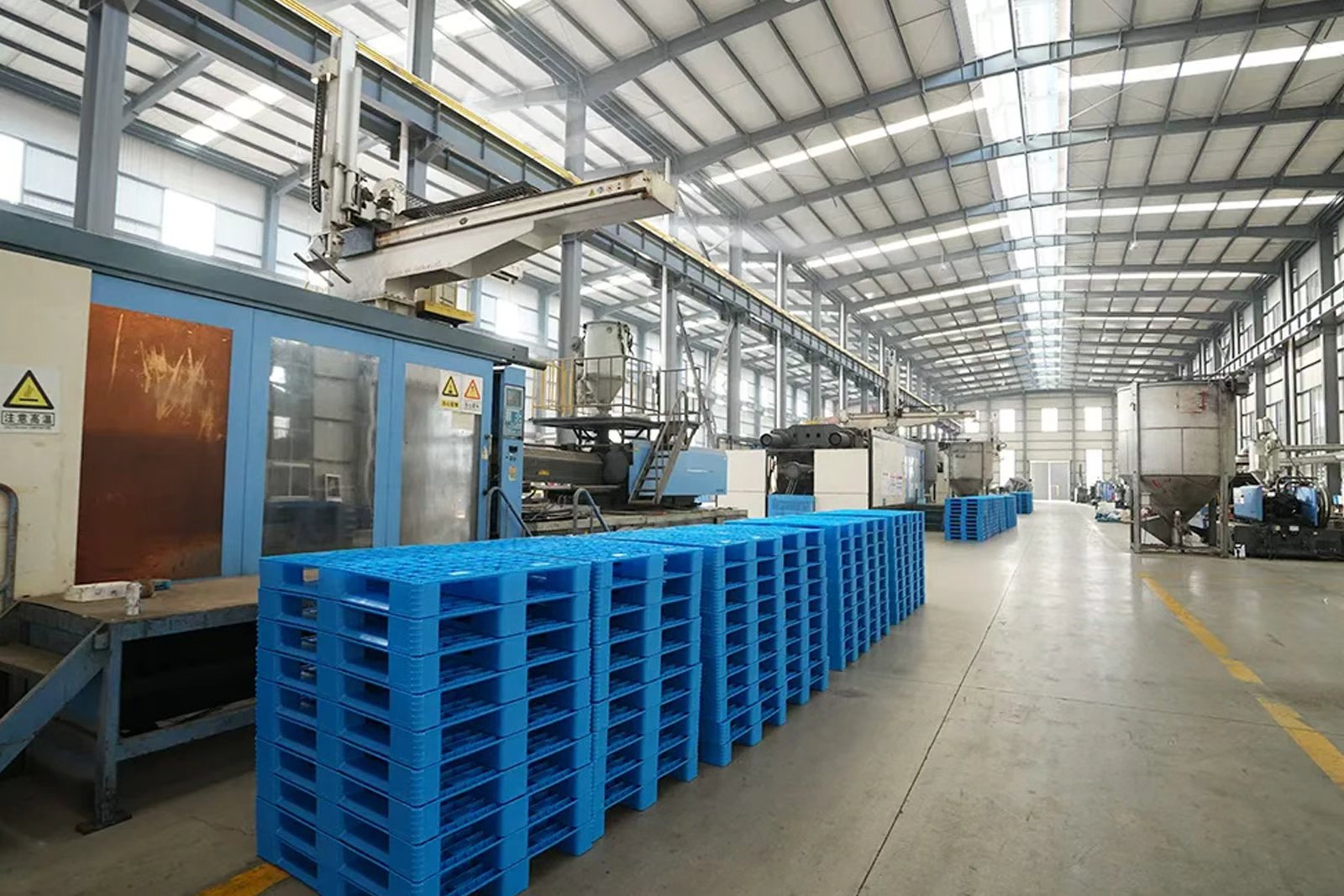
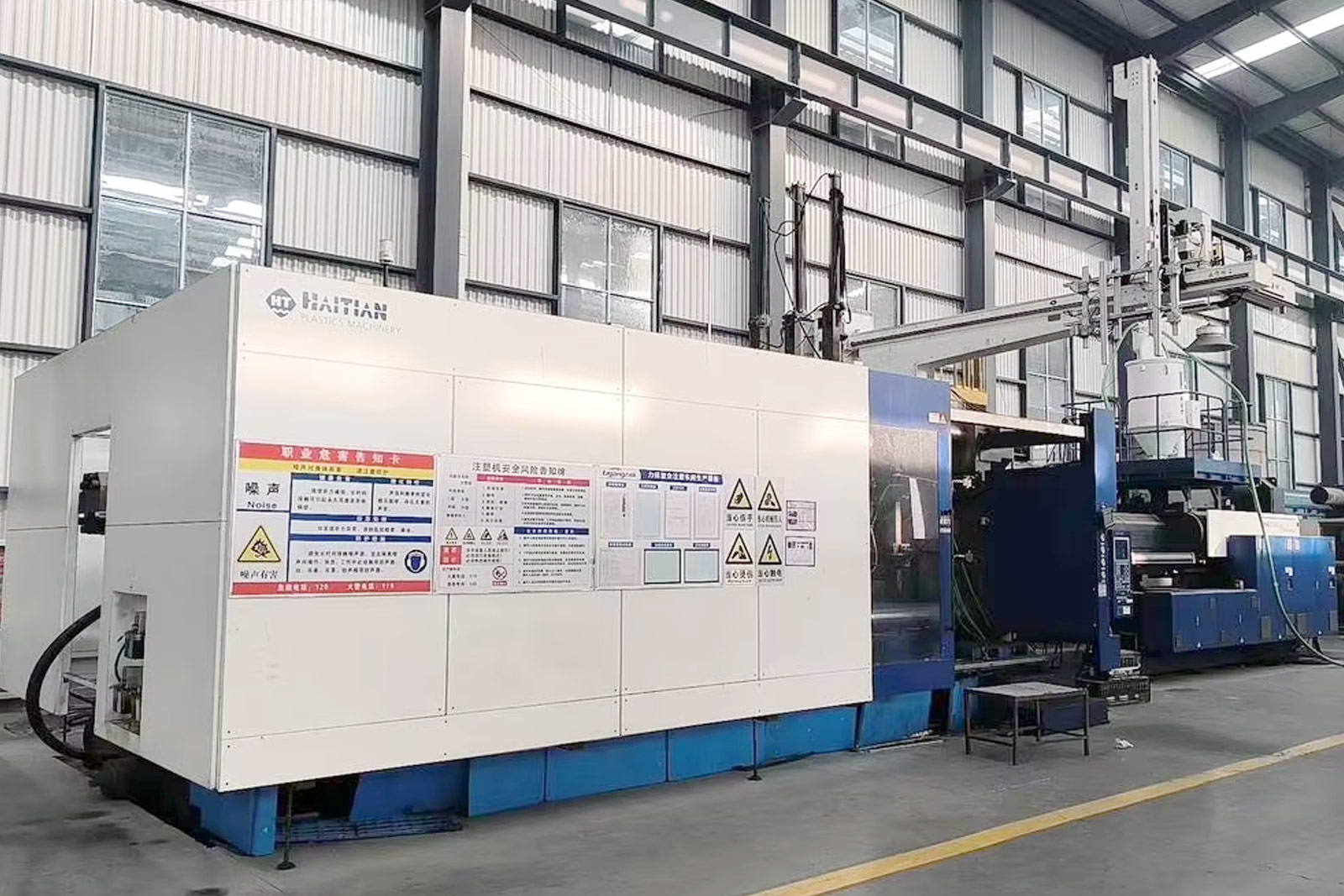
Injection molding equipment for plastic pallet production.
The factory operates injection molding and related production equipment used to manufacture plastic pallets across different structures and specifications.
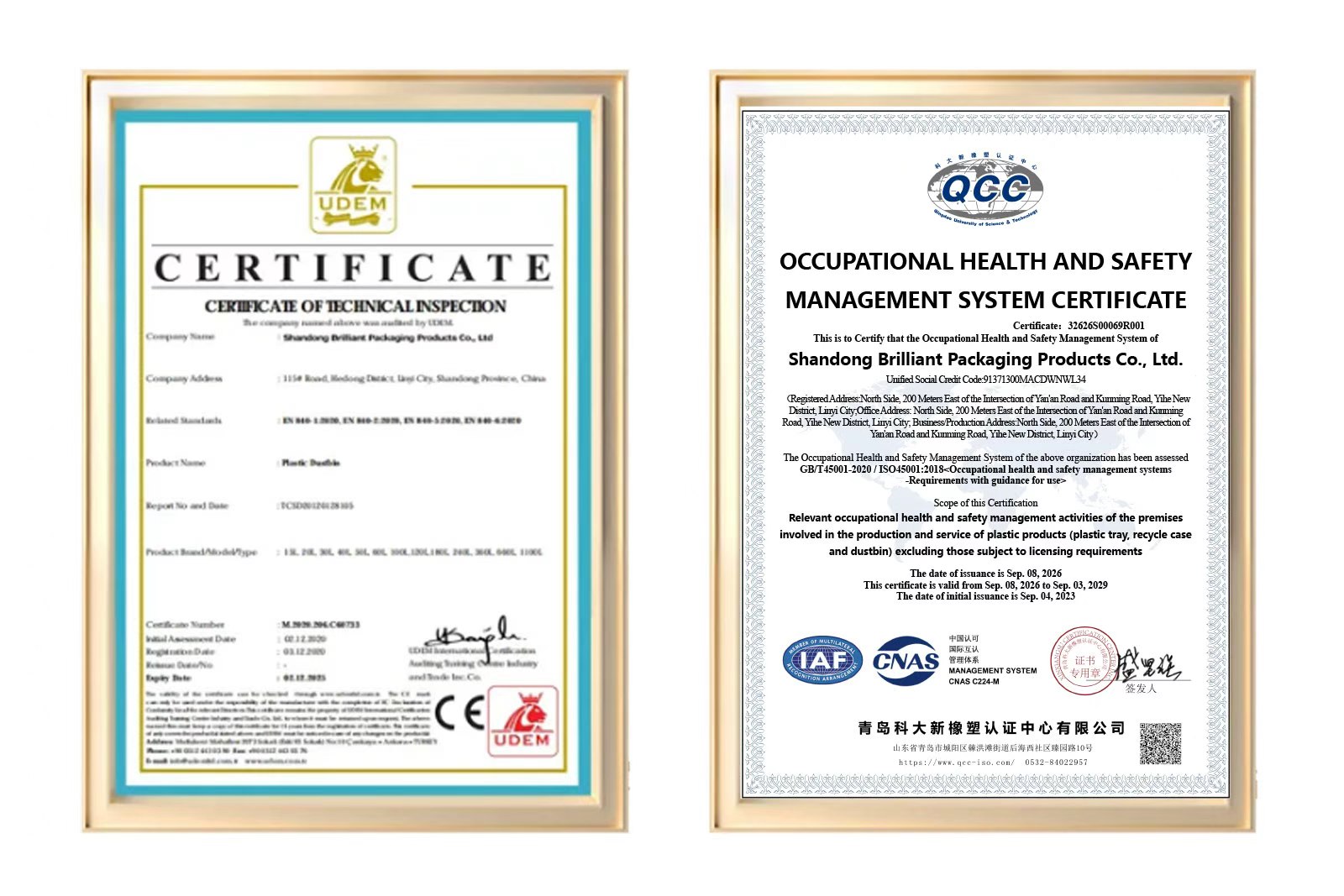
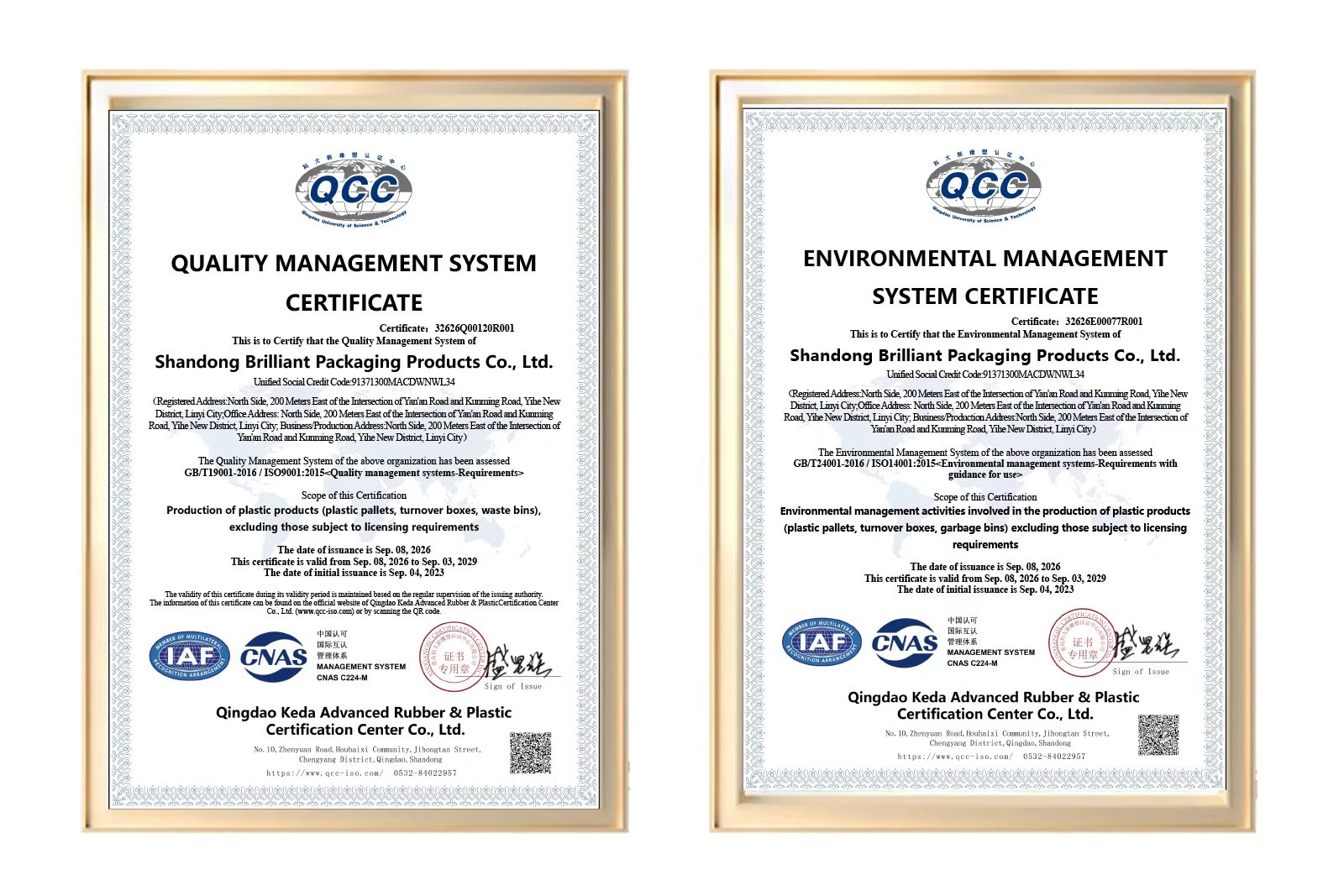
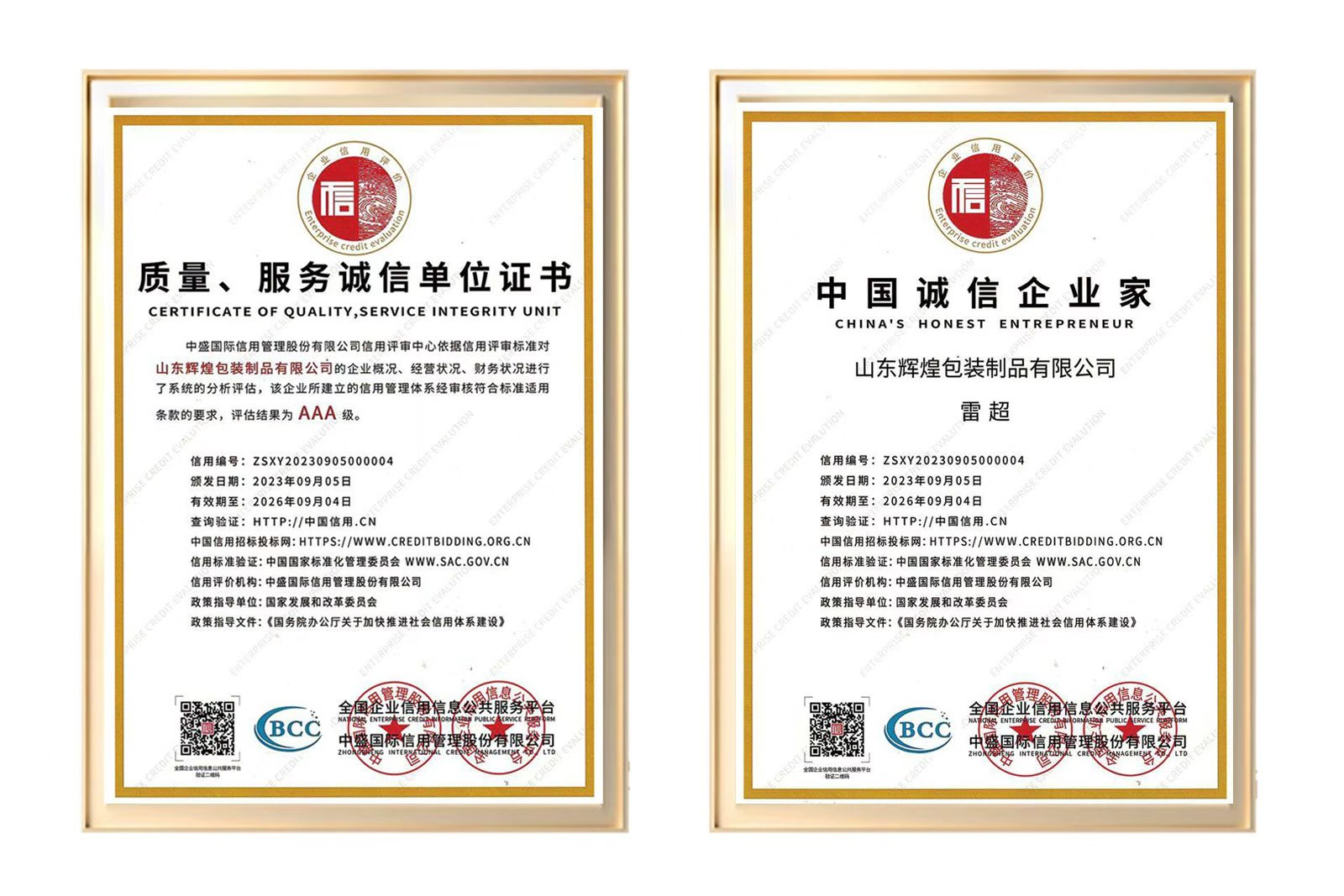
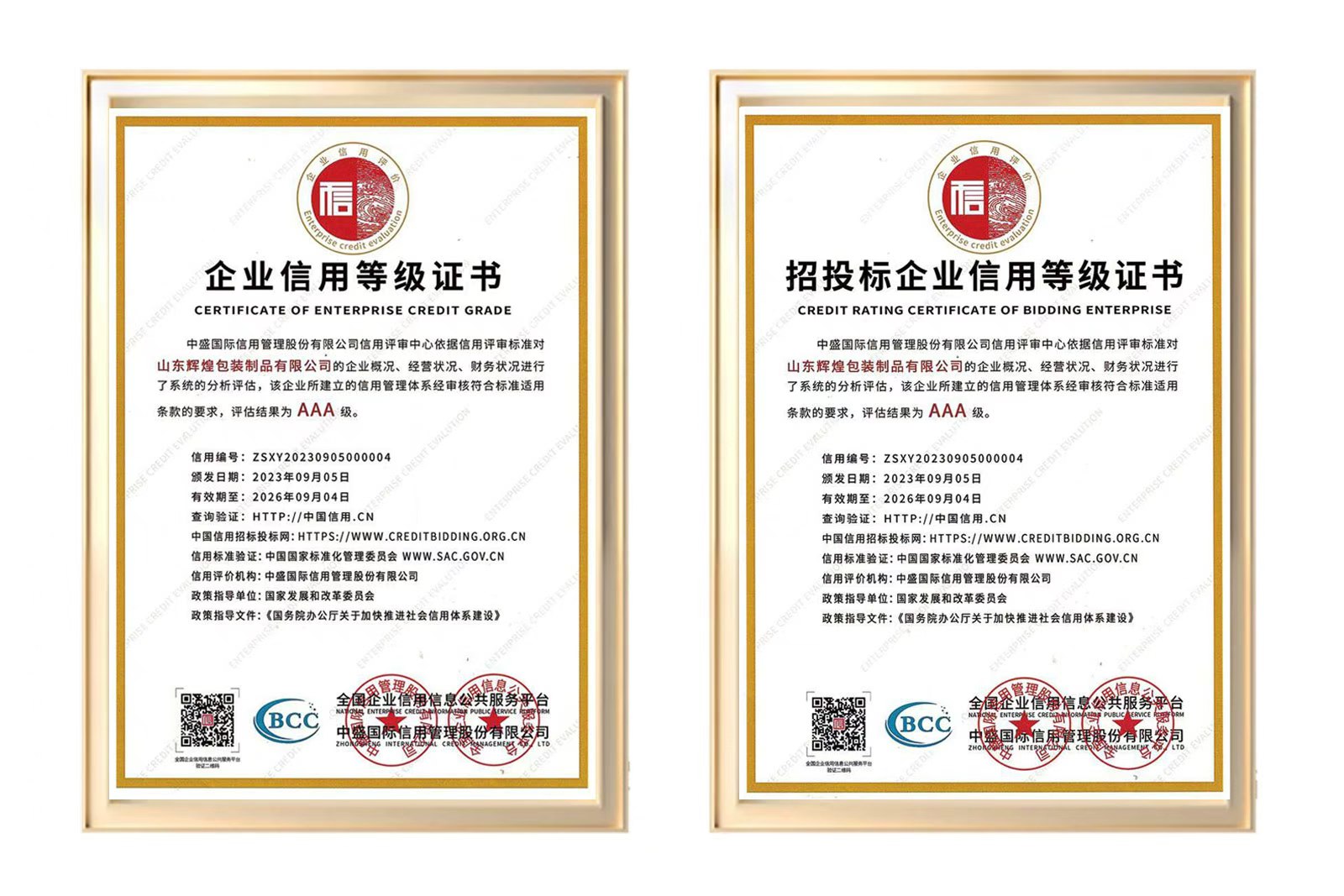
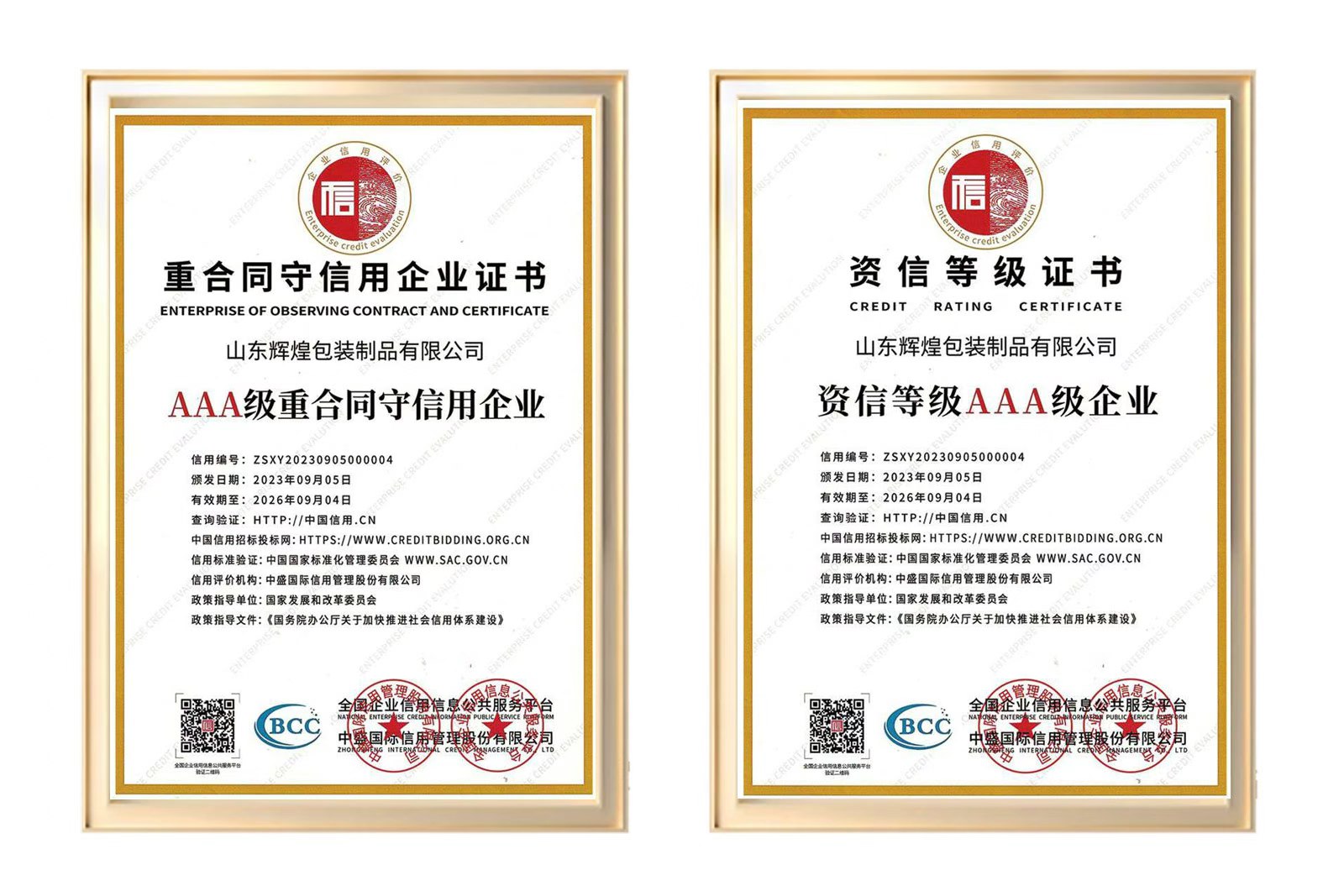
Certificates and supporting documents for procurement review.
Available documentation covers quality and environmental management, occupational health and safety, technical inspection and business credentials. Relevant documents can be reviewed according to procurement requirements.
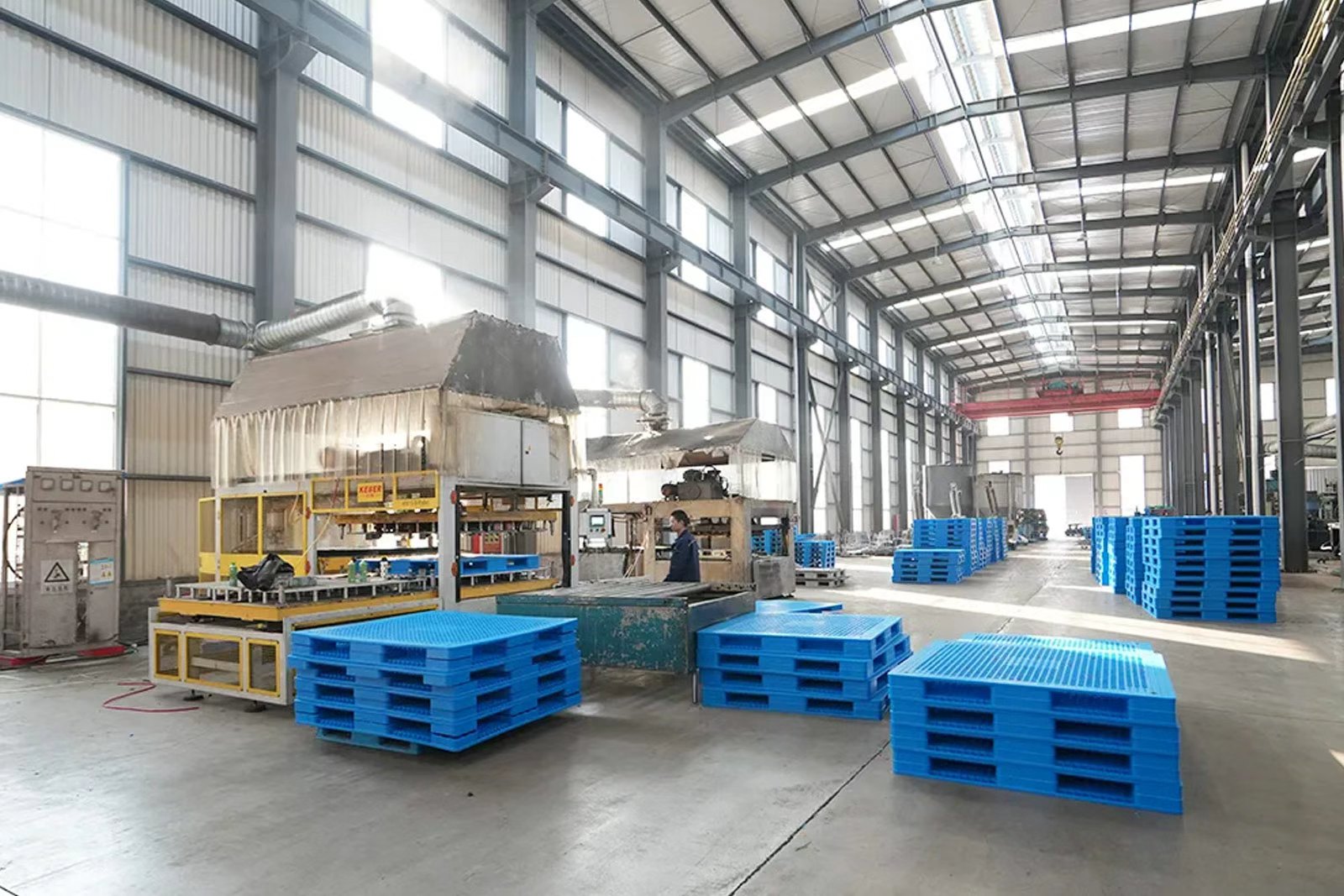
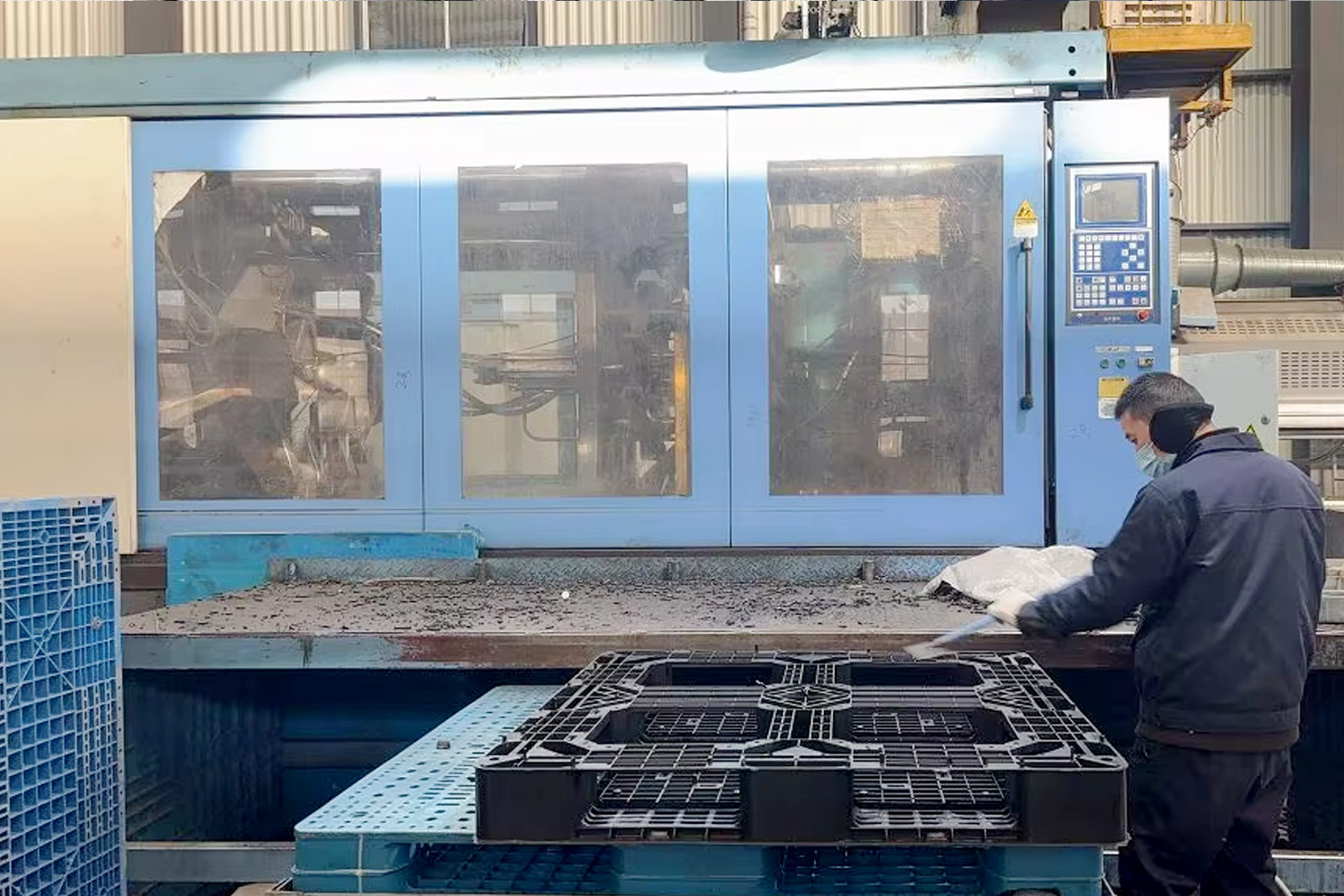
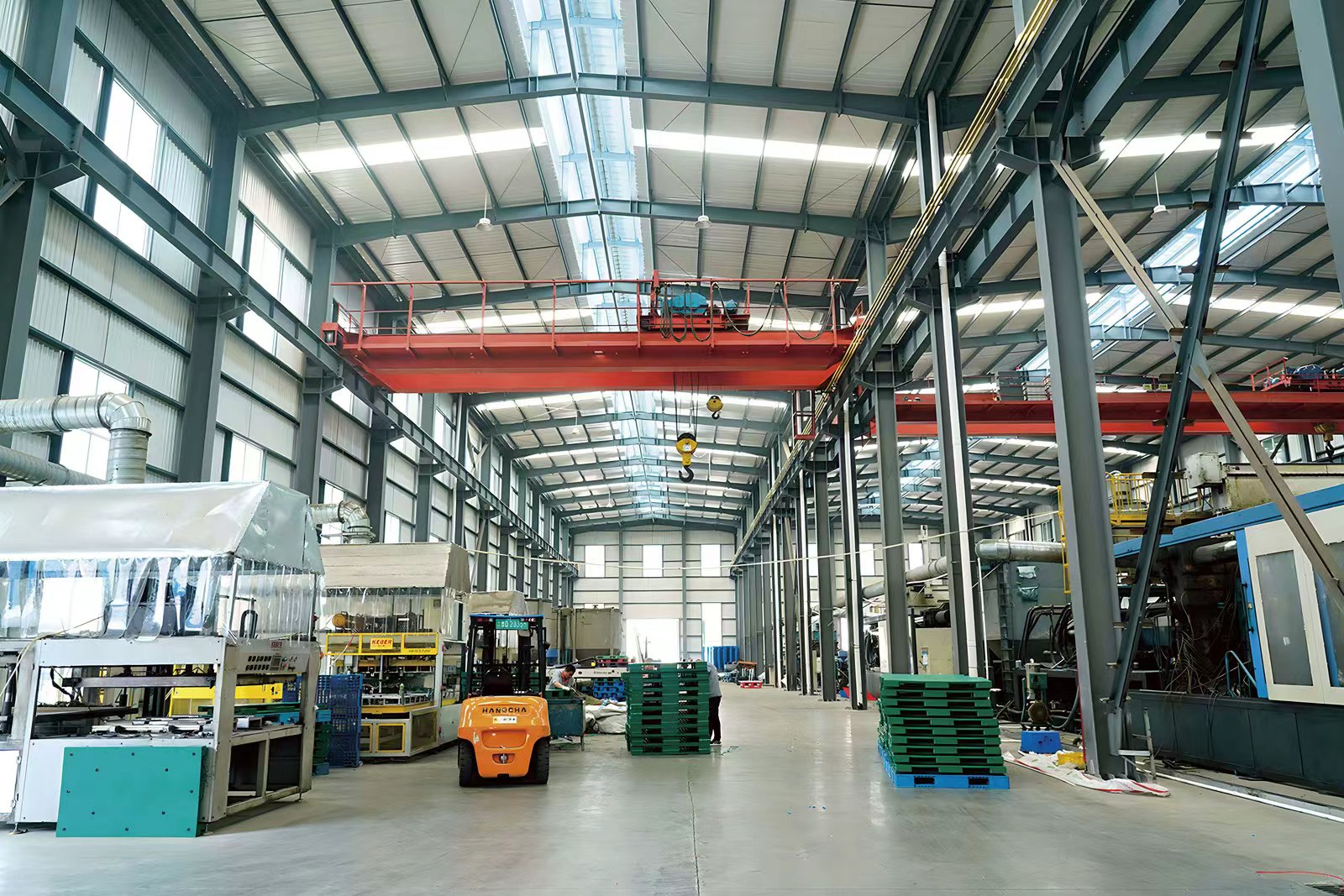
Production from material preparation to finished pallets.
The production sequence covers material preparation, injection molding, trimming, inspection and finished-product staging, showing how plastic pallets move through the factory.
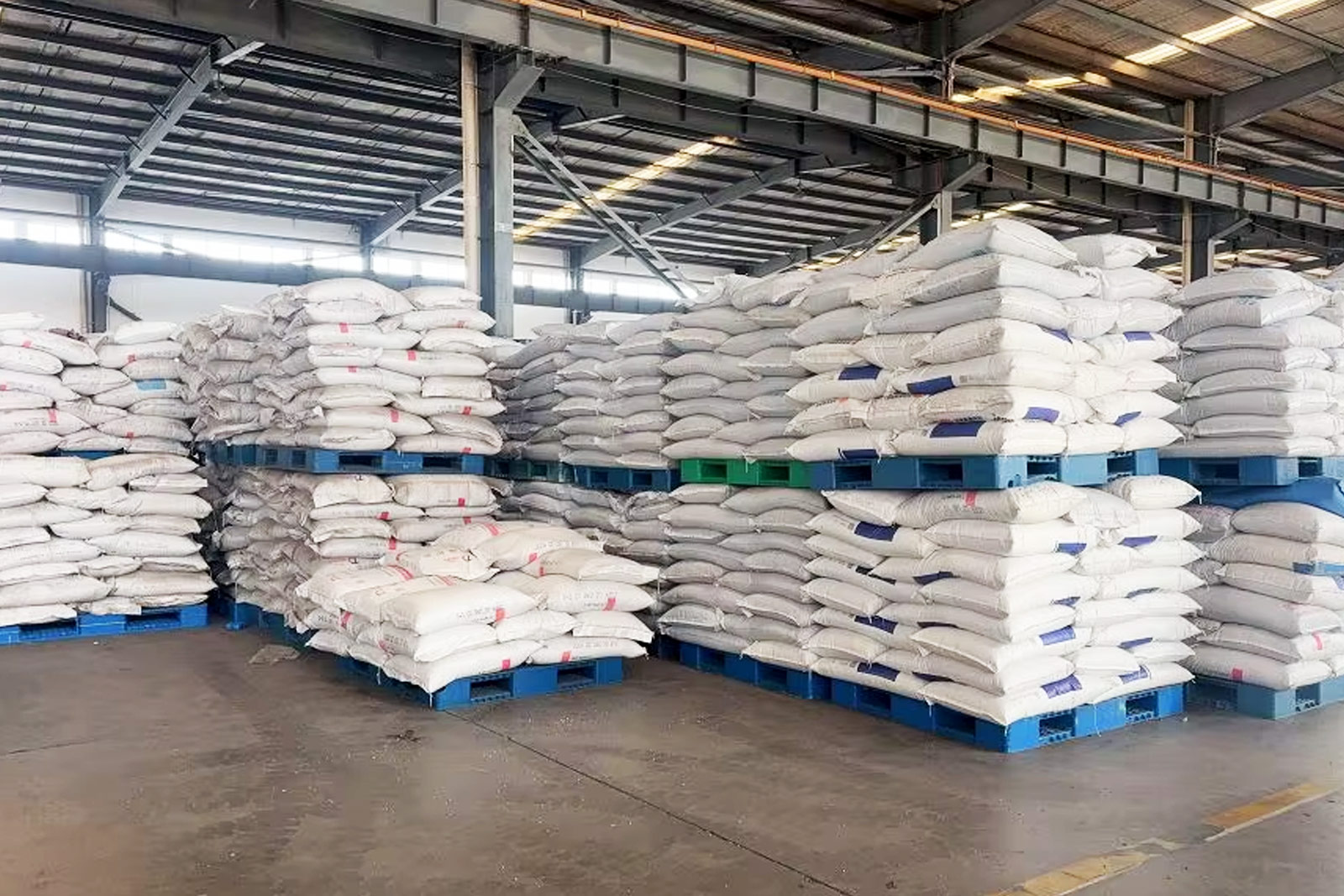
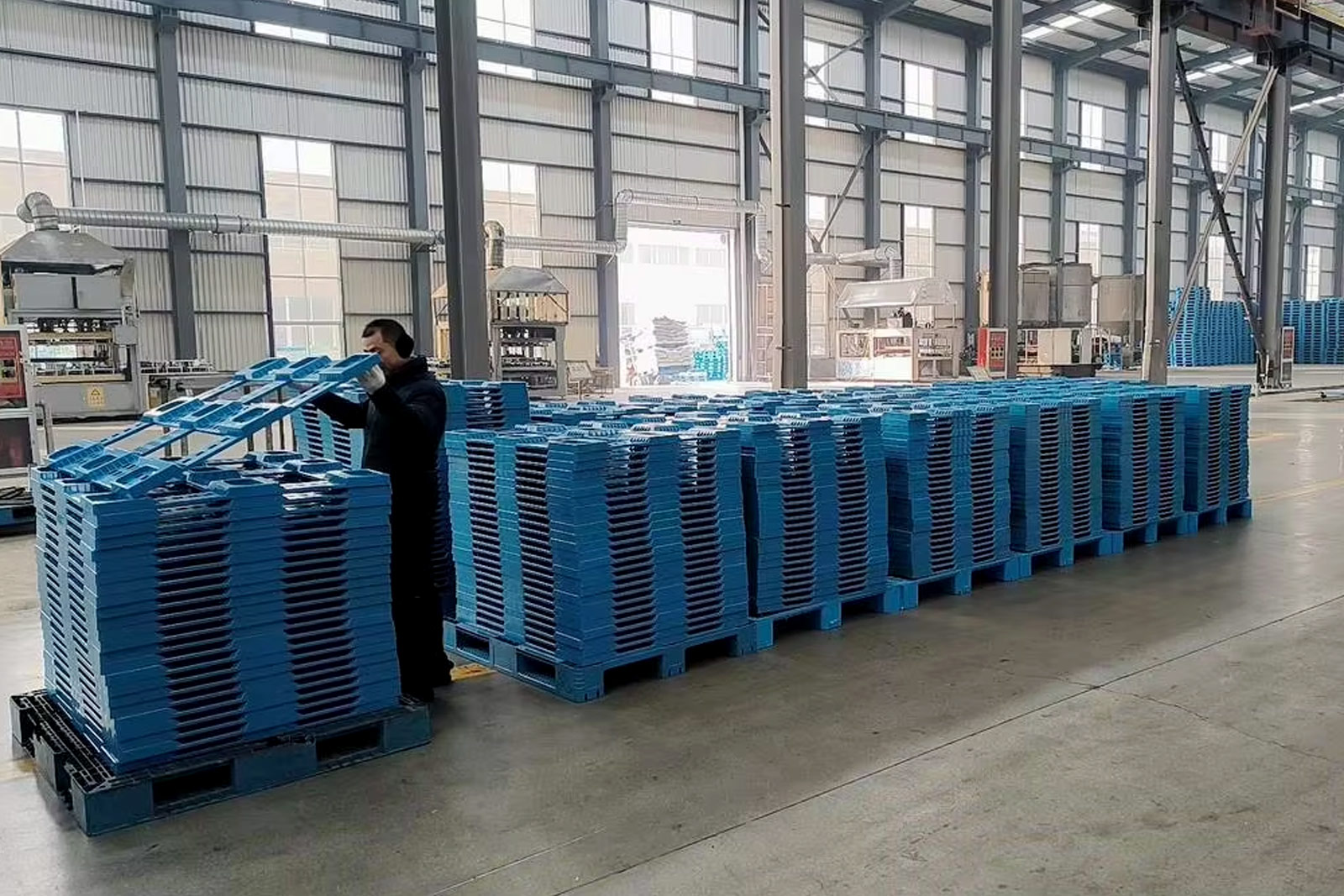
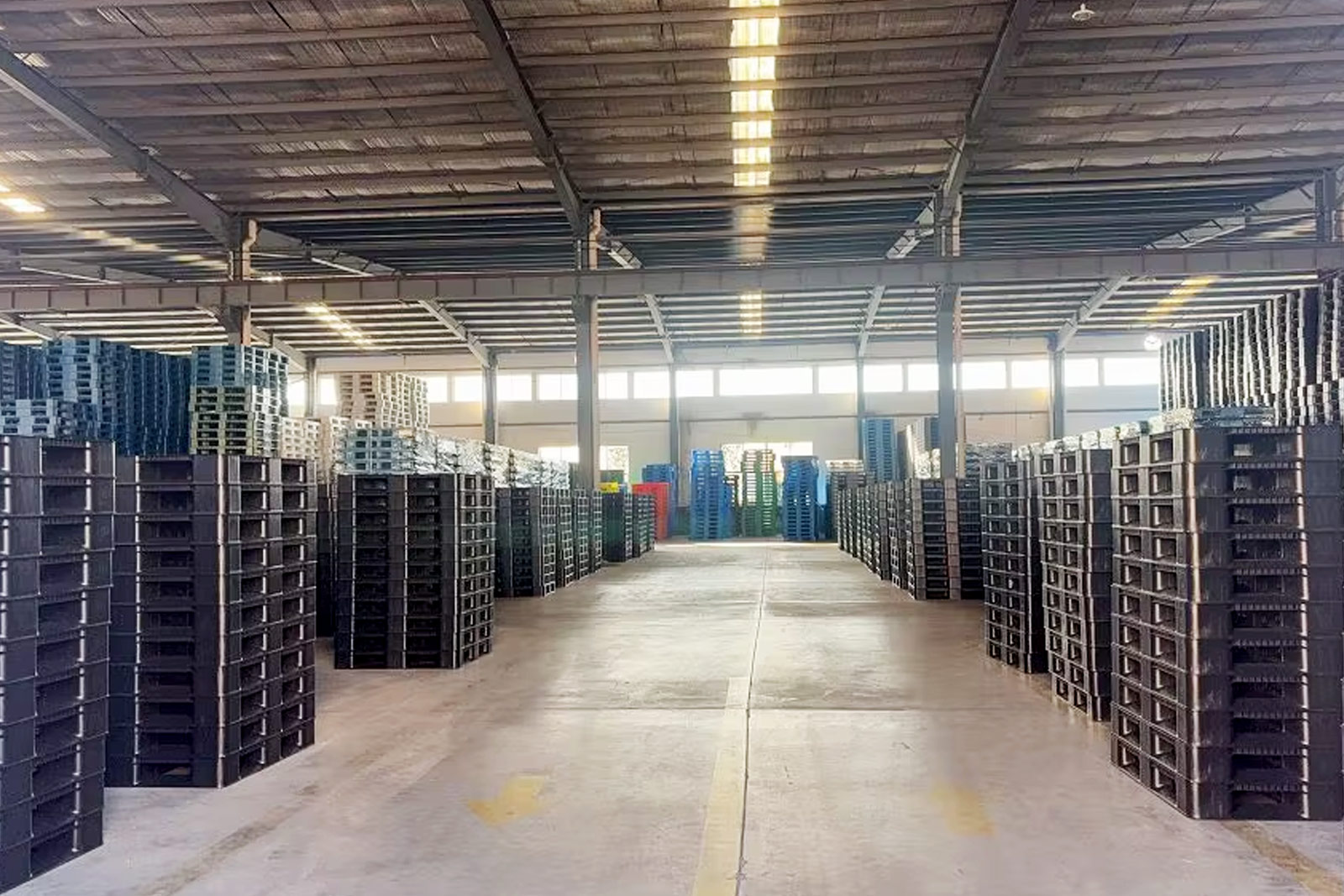
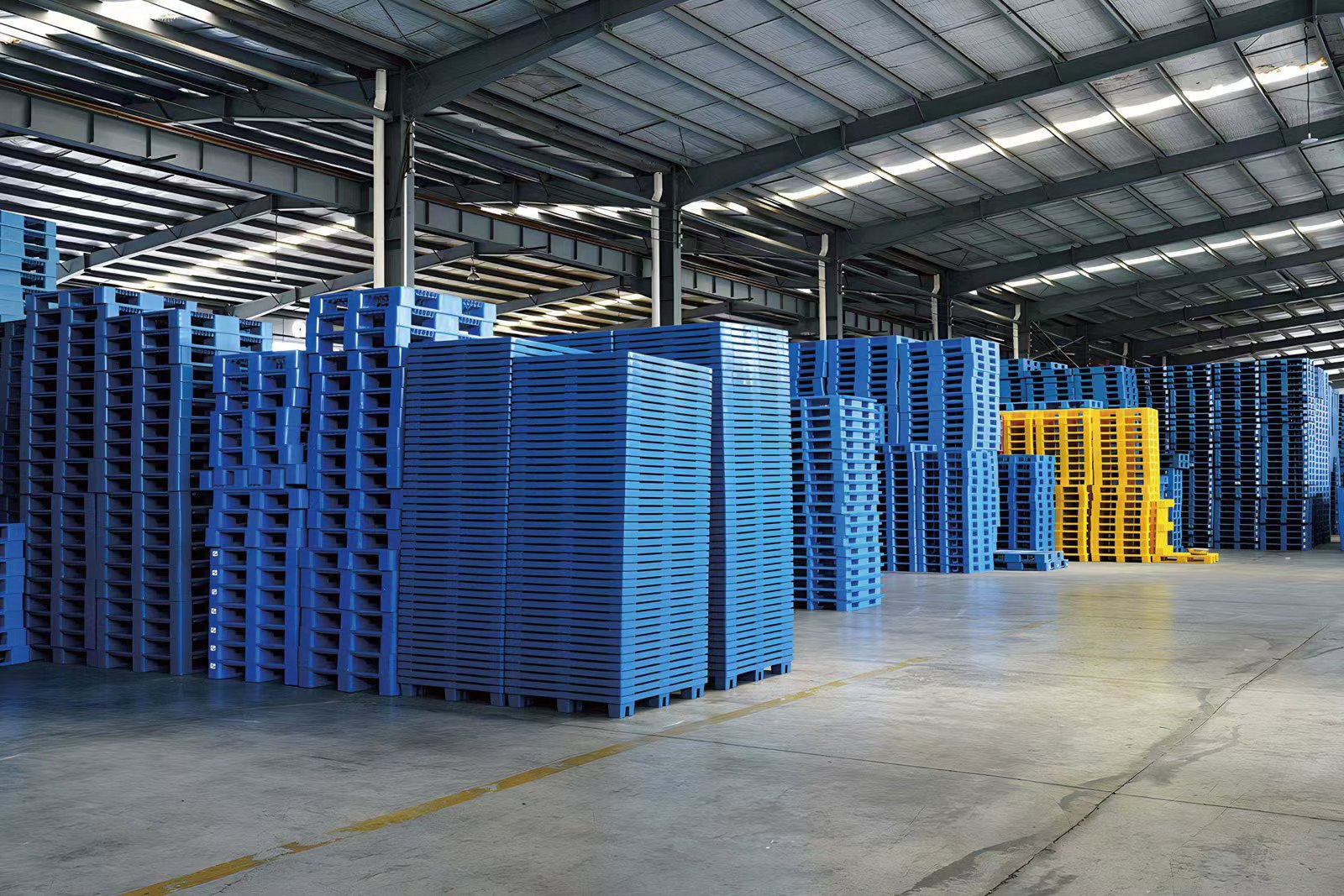
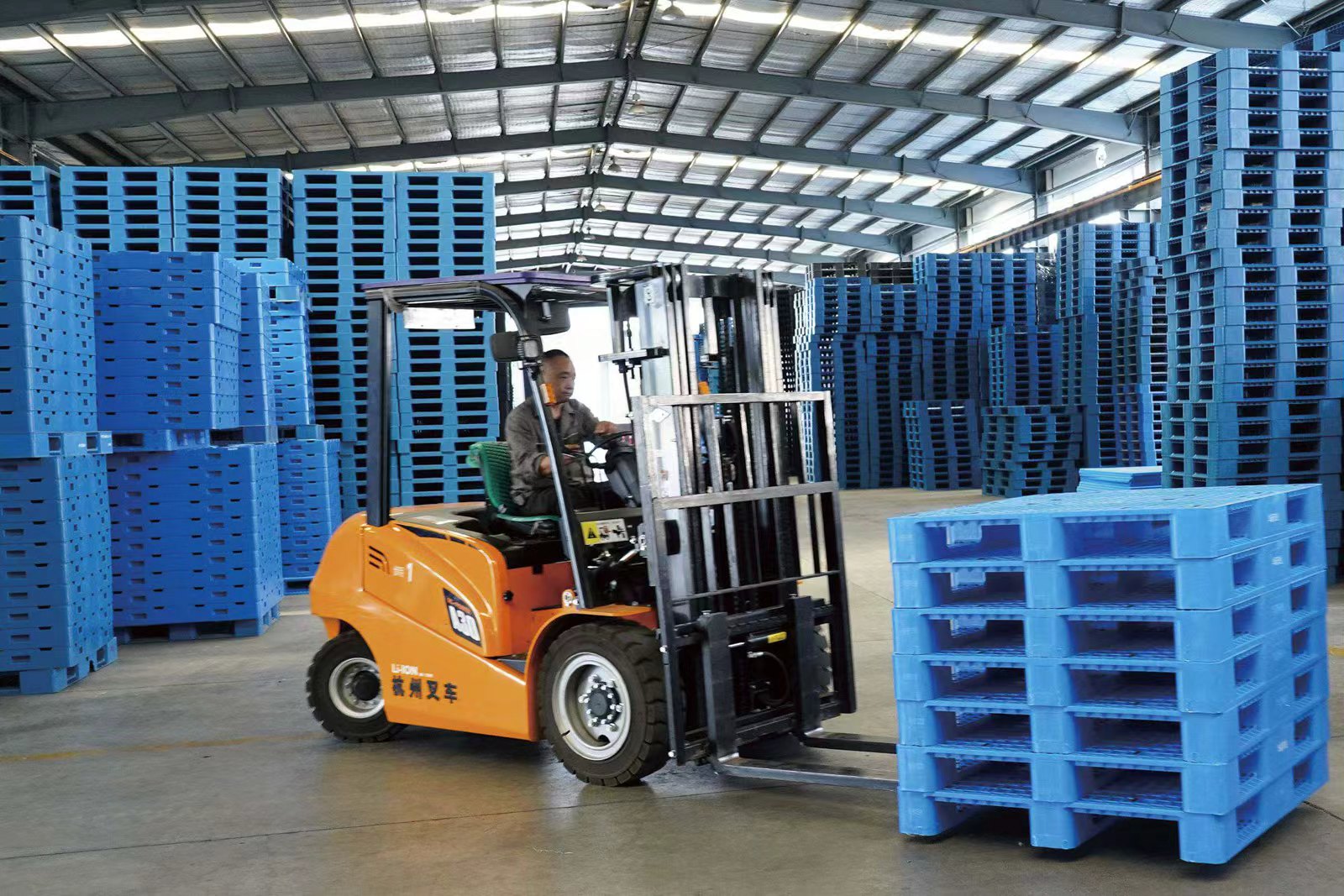
Finished-pallet storage and forklift handling.
Finished pallets are stacked in designated warehouse areas and moved by forklift during routine storage and outbound handling.
Plastic Pallet MOQ, Lead Time & Pricing
Ordering requirements vary by pallet model, quantity and customization. Share your project needs to receive a clear quotation, estimated production lead time and available ordering options.
MOQ
- Minimum order quantity varies by model, material and customization requirements.
- Full-container and mixed-model loading options can be reviewed based on the selected models and total order quantity.
Lead Time
- Production lead time depends on model availability, order volume and customization requirements.
- Custom color, logo, RFID, reinforcement or new mold requirements may require additional confirmation and production time.
Pricing Factors
- Pricing is affected by material grade, pallet weight, structure, reinforcement, order quantity, color, logo, RFID options and resin market conditions.
- Freight and destination requirements should be evaluated separately when comparing landed cost.
Samples
- Sample availability, cost and delivery time depend on the selected model and destination.
- When performance evaluation is required, confirm the intended load, support conditions and test method before testing the sample.
Plastic Pallets for Food, Beverage & Produce Handling FAQs
Answers to common questions about model selection, materials, export shipping, air freight, FIBC handling, customization and container loading.
How do I choose among these food and beverage pallets?
Start with the operating workflow and unit load. Confirm pallet dimensions, deck and base structure, contact points, support conditions, equipment interfaces and the return workflow before selecting a model.
What should be checked for hygiene-focused food processing?
Review the actual soils, cleaning method, cleaning chemistry, temperature, pressure, drainage, inspection access, product-contact controls and unit load. Evaluate the shortlisted surface and structure under the facility procedure rather than assuming a catalog configuration is hygienically suitable.
How should a bottled-water pallet be matched to the unit load?
Confirm bottle or container dimensions, layer pattern, gross weight, contact areas, stacking arrangement, pallet orientation, handling equipment and return workflow. Validate the complete unit load under representative handling conditions.
What should be reviewed for fresh-produce and cold-chain handling?
Review produce dimensions and sensitivity, airflow, drainage, unit-load layout, pallet support, handling frequency, cleaning process and temperature transitions. Test the shortlisted pallet with representative fresh produce and handling conditions.
Do these products have food-contact, pharmaceutical or market approval?
No universal approval is claimed on this page. Provide the selected model, intended contact conditions, market, facility requirements and required documentation so the applicable material and evidence can be reviewed for the project.
Are published load values enough to approve a product?
No. Published values are catalog references under stated conditions. Approval should also consider load distribution, contact area, support geometry, storage duration, handling interfaces, temperature and a representative operating trial.
Should we run a representative trial before volume ordering?
Yes. Use the actual container, product or produce format and reproduce the intended load, cleaning, stacking or nesting, temperature and handling cycle. Confirm stability, fit, equipment interfaces and product condition before volume rollout.
What information should be included in the RFQ?
Include the operating workflow, required product format, shortlisted series and model where available, dimensions, load or container data, cleaning and temperature conditions, handling equipment, quantity, options and delivery destination.